Hiring a professional to insulate your home is often recommended, particularly if you lack experience. Professionals provide expertise and ensure that insulation is installed correctly and meets local building codes, enhancing energy efficiency and comfort.
Understanding home insulation types
Before deciding whether to hire a professional, it's crucial to understand the different types of insulation available. The primary materials include fiberglass, spray foam, cellulose, and mineral wool, each having unique properties that influence their effectiveness and installation method. For example, fiberglass batts are relatively simple to install and often suitable for DIY projects, whereas spray foam requires specialized knowledge and equipment for proper application. By understanding these options, homeowners can evaluate the complexity of installation.
Pros of hiring a professional
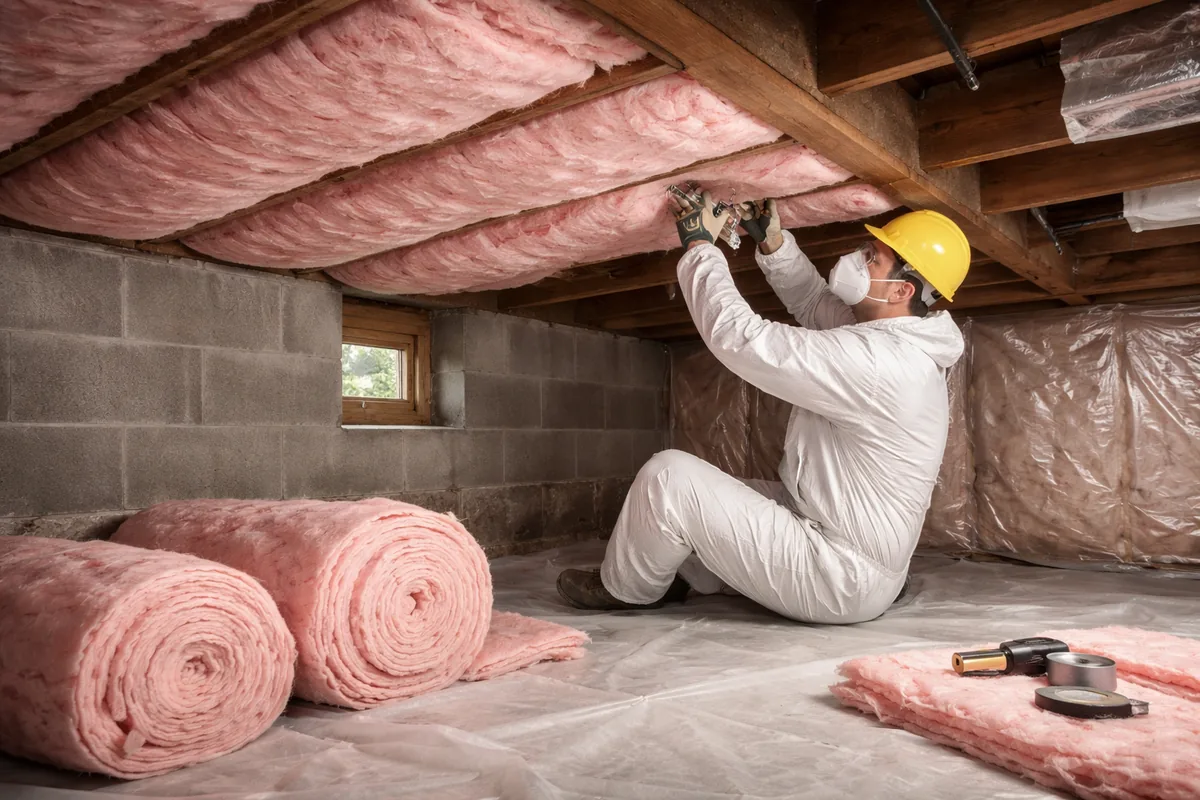
There are numerous advantages to hiring a professional for home insulation. First and foremost, professionals typically have extensive training, which helps them identify potential issues during the installation process, such as air leaks or moisture problems. Additionally, a professional installation often comes with a warranty, providing peace of mind against future failures. Insurance coverage may also be available, which protects the homeowner in case of accidents during installation.
Cons of hiring a professional
While hiring professionals can yield significant benefits, it also brings certain drawbacks. The most notable con is the cost. Professional insulation installation often ranges from $1 to $3 per square foot of insulation, which can accumulate quickly depending on the size of the project. Additionally, homeowners may feel a loss of control over the design and installation process, as they must rely on the contractor's judgment and methods. This reliance may lead to anxiety if the homeowner prefers to be hands-on with their home projects.
DIY insulation projects
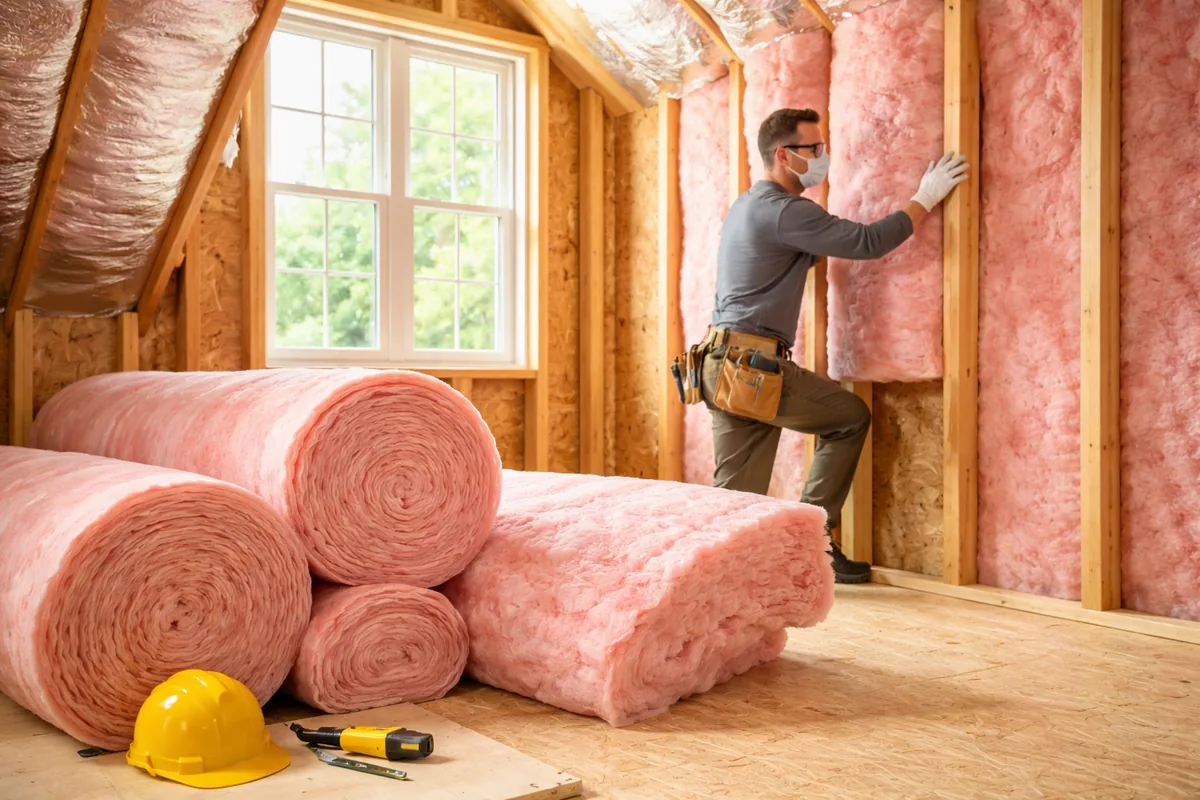
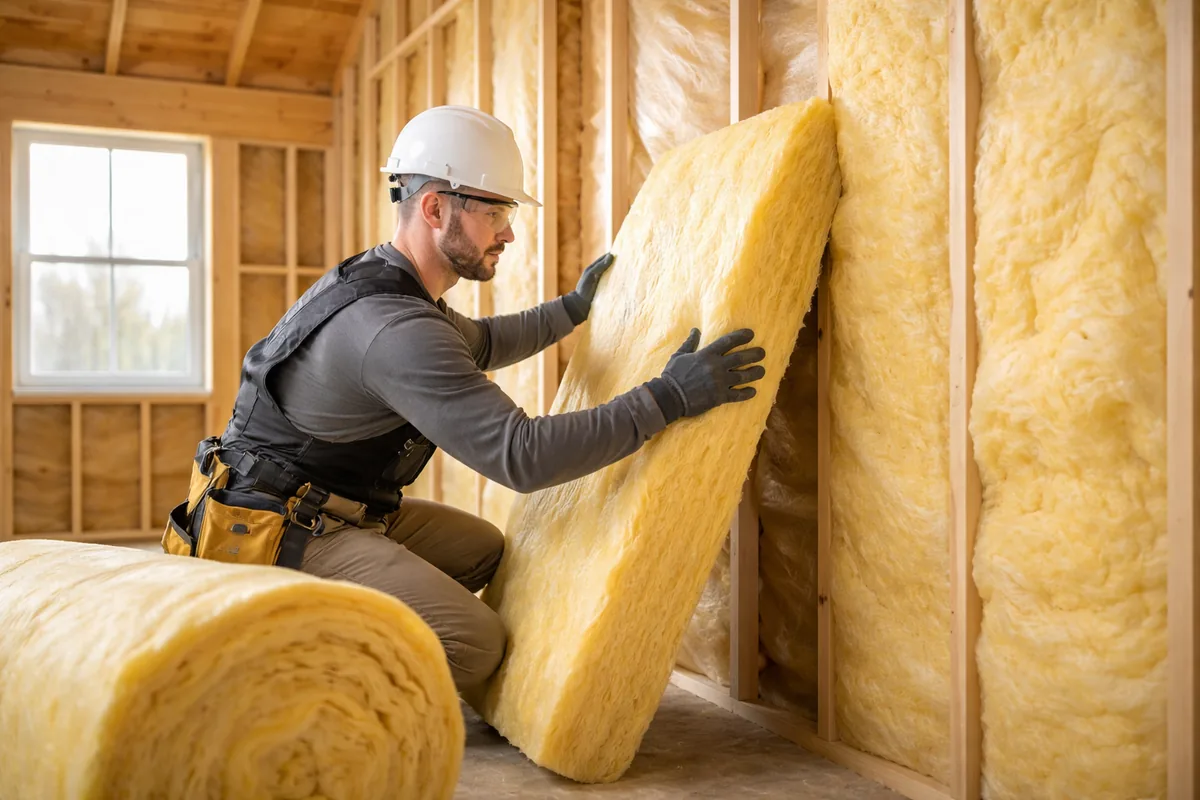
For those inclined towards DIY projects, assessing the scope of work is critical. Many homeowners successfully install fiberglass batting, which is relatively straightforward, requiring only basic tools like a utility knife, stapler, and protective gear. Furthermore, cellulose and mineral wool can also be installed by determined DIYers. However, if the project involves spray foam insulation, a professional installation is highly recommended due to its complex application process that requires specific training and equipment.
Assessing your home’s specific needs
Every home is different, and understanding its specific insulation needs can help determine whether professional help is necessary. Factors like age, existing materials, and climate all play a role in insulation effectiveness. For example, older homes may have outdated insulation that needs upgrading or remediation, requiring professional expertise. Additionally, if the home is located in extreme climates, appropriate installation becomes crucial for optimal energy efficiency. Homeowners should thoroughly analyze their needs before deciding to insulate.
Cost considerations
The financial aspect often weighs heavily on the decision-making process. Apart from installation costs, homeowners should consider potential savings on energy bills due to improved insulation. The U.S. Department of Energy suggests that proper insulation can save homeowners up to 15% on heating and cooling costs, which can amount to hundreds of dollars annually. Therefore, while upfront costs may seem high, long-term savings can potentially offset initial investments. Evaluating quotes from several contractors and comparing them against DIY costs can help make an informed decision.
Final thoughts on hiring a professional
In summary, whether to hire a professional for home insulation depends on your comfort level, skill set, and specific home needs. Weighing the pros and cons, alongside a thorough assessment of your home’s characteristics, can help make a sound decision.
| Type of insulation | Average cost per sq ft | DIY possible |
|---|---|---|
| Fiberglass batts | $0.50 - $1.50 | Yes |
| Spray foam | $1.00 - $3.00 | No |
| Cellulose | $0.75 - $2.50 | Yes |
| Mineral wool | $0.70 - $1.60 | Yes |
FAQ
What are the signs that my home needs insulation?
Common signs include drafts, uneven temperatures in different rooms, and high energy bills, indicating that your home may be improperly insulated.
Can I install insulation in my attic myself?
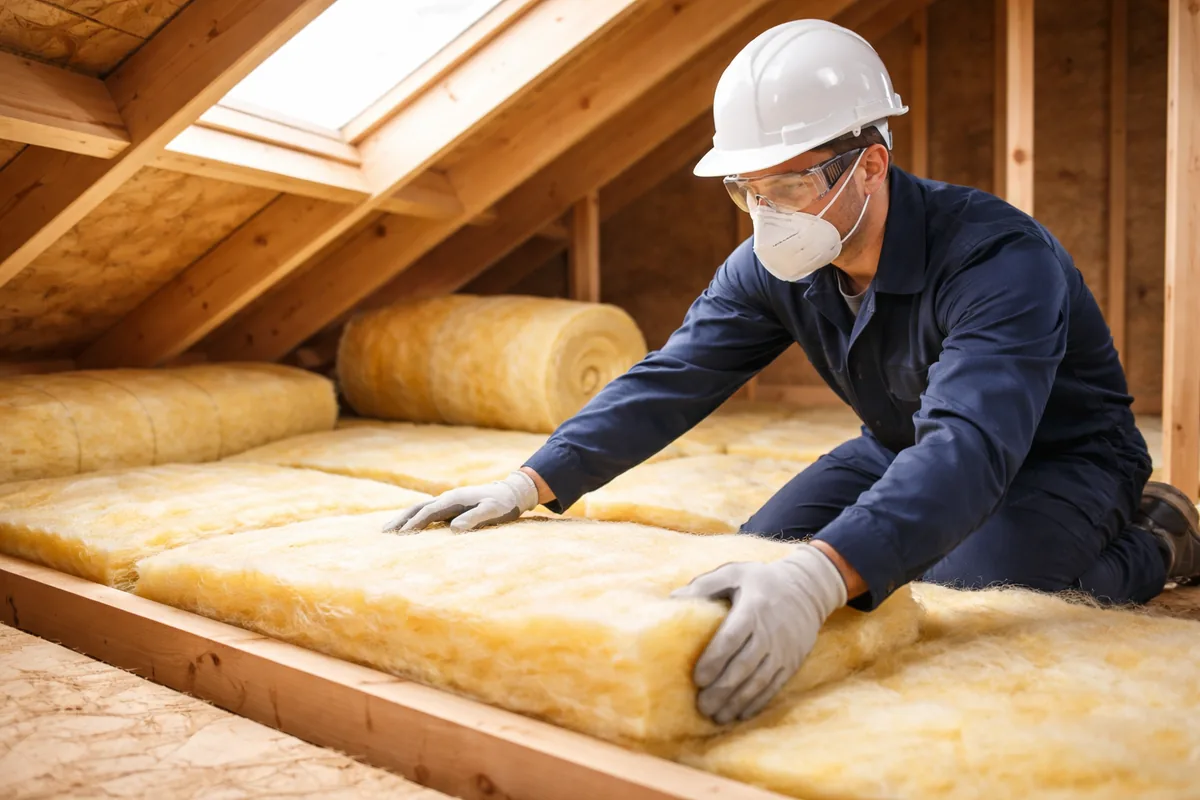
Yes, many homeowners can install fiberglass batts or loose-fill insulation in the attic, provided they follow safety guidelines and local building codes.
How long does it take to insulate a home?
The time required to insulate a home varies by the type of insulation and the size of the project. On average, a professional team may complete an average-sized home in one to two days.
Are there any tax incentives for upgrading insulation?
Homeowners may qualify for federal tax credits for energy-efficient home improvements, including insulation upgrades. It's advisable to check the latest regulations.
What is the best insulation for energy efficiency?
Spray foam is often considered the most energy-efficient insulation due to its superior air-sealing properties, but other types can also be effective depending on the situation.