Installing insulation in a house typically takes between one day to several days, depending on factors such as the size of the home, the type of insulation being used, and whether the installation is a DIY project or handled by professionals.
Factors influencing installation time
Several key factors influence how long it takes to install insulation. The primary considerations include the size of the house, the type of insulation being installed, and the existing conditions of the space. For example, if your home is a smaller single-story residence, the installation may be completed in a single day. However, for larger two-story homes or those with complex architectures, the installation process could extend over several days. Understanding your house's layout and the areas being insulated is critical in estimating installation time.
Type of insulation
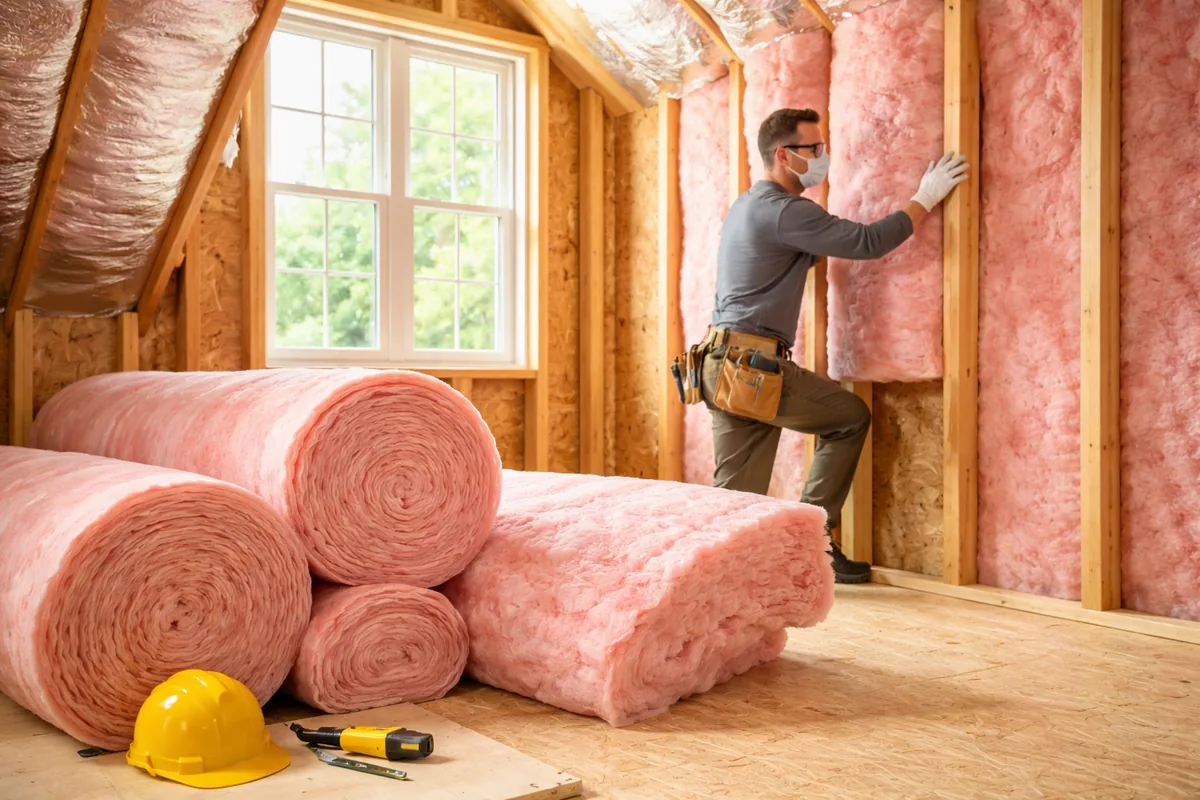
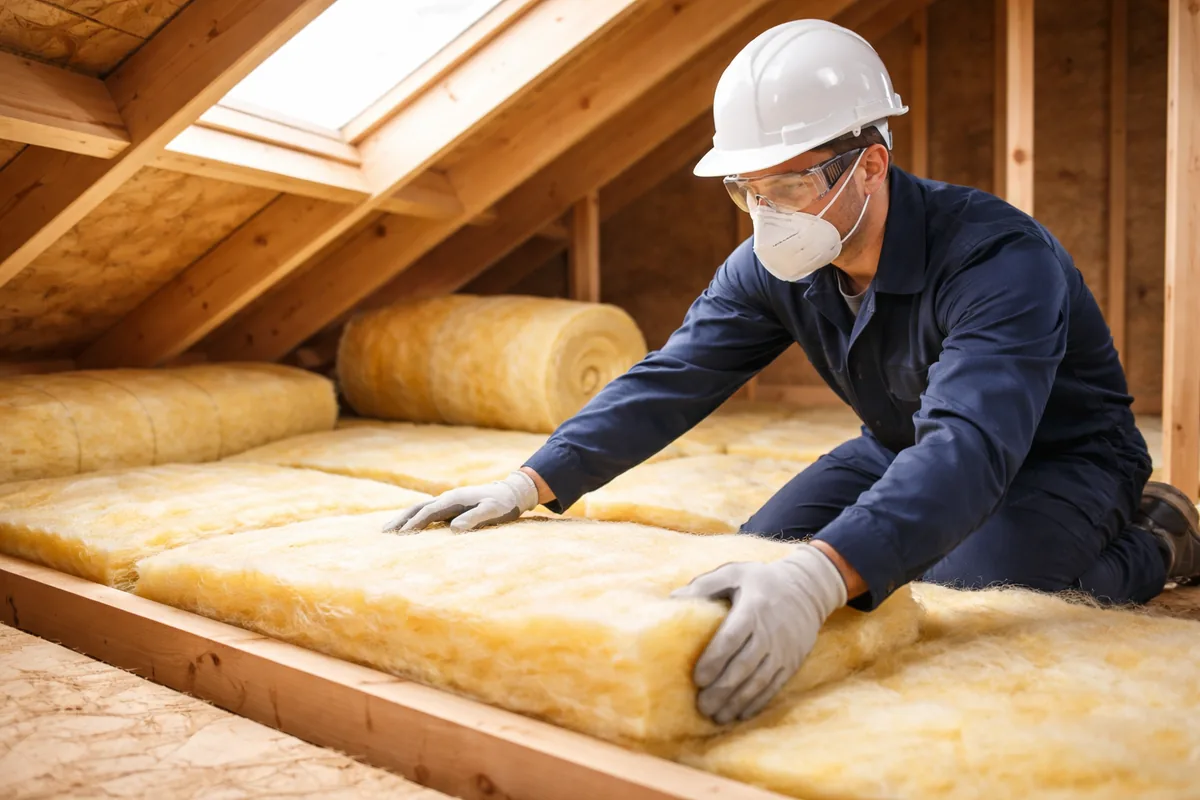
Insulation comes in various forms, including fiberglass, cellulose, foam board, and spray foam. Each type has its own unique installation process and required time. For instance, fiberglass batt insulation is typically one of the fastest options to install, taking just a few hours for an average home. In contrast, spray foam insulation usually requires more time due to its application process and the curing time needed afterward. Here's a brief overview of the most common types:
| Insulation type | Installation time | Considerations |
|---|---|---|
| Fiberglass batt | 1-3 hours per 1,000 sq ft | Easy to install but can leave gaps if not done properly |
| Cellulose | 2-4 hours per 1,000 sq ft | Requires specialized equipment for blowing in |
| Foam board | 3-5 hours per 1,000 sq ft | Good for continuous insulation and sealing out air |
| Spray foam | 6-8 hours per 1,000 sq ft | High R-value and air-sealing properties; requires time to cure |
Each type of insulation offers distinct advantages and disadvantages that may affect your choice based on your home's specific needs and your budget.
Professional versus DIY installation
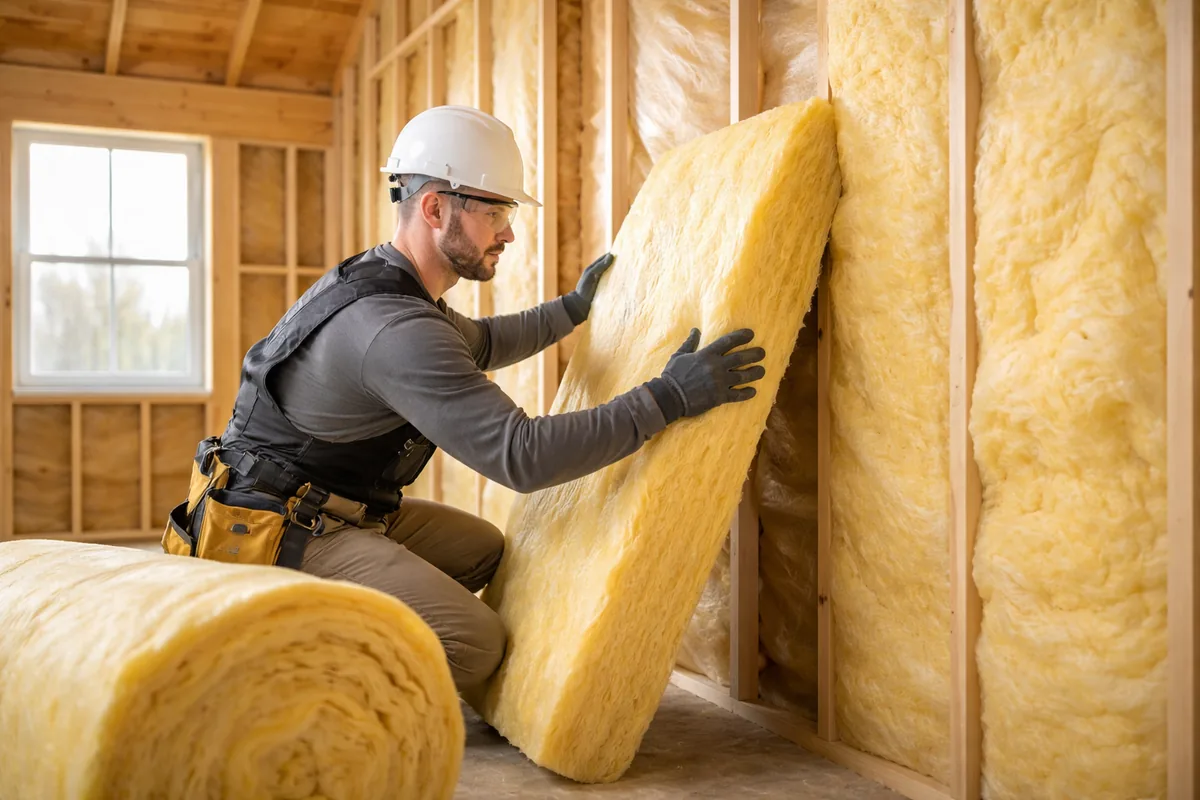
Another significant factor impacting the installation timeline is whether the insulation is being installed by professionals or as a DIY project. Hiring professionals can often expedite the process, as they bring expertise and specialized tools to the job. While professional installation may cost more upfront, it can save time, especially if complex jobs, such as spray foam insulation or difficult access areas, are involved. On the other hand, DIY installations often take longer, particularly for homeowners who may not have experience or the necessary tools at their disposal. Proficient homeowners may still find installation manageable but should realistically assess their skills against the complexity of the task.
Building size and layout considerations
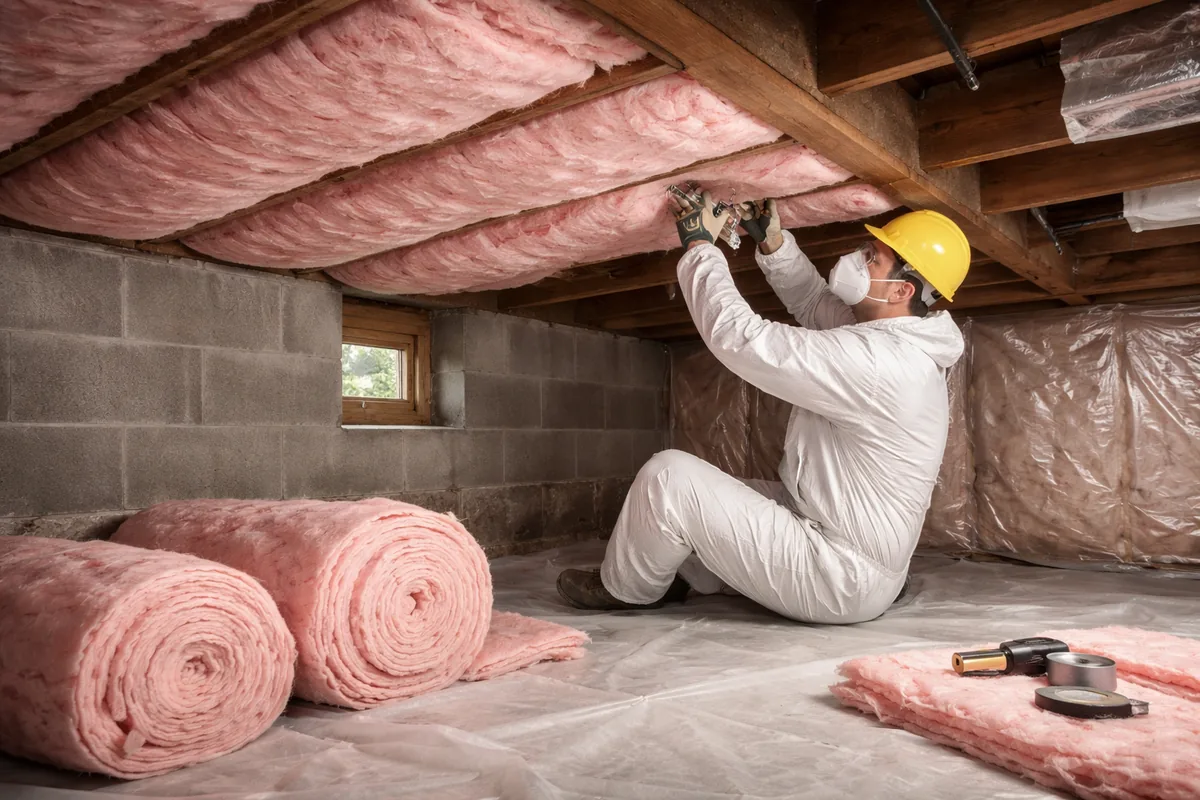
The layout and size of the home significantly affect how long it will take to complete the installation. Homes with open floor plans can make it easier and faster to install insulation, particularly in attics and walls. Conversely, homes with intricate designs or multiple rooms may necessitate more time due to the need for isolating work areas and ensuring that all parts of the house are adequately insulated. Additionally, areas such as attics, crawl spaces, and basements often require special attention and can add extra time to the installation process.
Pre-installation preparations
Before installation begins, some preparatory work is often required. This may involve clearing areas that need insulation, repairing any water damage or leaks, fixing any structural issues, and ensuring the environment is ready for the insulation process. Factor in this preparation time when estimating your total project timeline. For typical home insulation projects, this could take anywhere from a few hours to several days, depending on the condition and accessibility of the areas being insulated.
Post-installation considerations
After insulation is installed, it's crucial to allow for settling, particularly with spray foam. This can add time before the home is fully operational again. In addition, any final inspections or adjustments may be necessary to ensure that insulation complies with local building codes and standards. Homeowners should plan for these additional tasks as part of the overall timeline.
FAQ
Can I install insulation myself?
Yes, many homeowners choose to install insulation themselves, especially for simpler types like fiberglass batting. However, specific types, like spray foam, may require professional assistance due to their complexity.
How do I know what type of insulation to use?
The best type of insulation depends on your specific needs, budget, and the areas of the home that require insulation. Consulting with a local insulation expert can help determine the most suitable option.
What safety precautions should I take when installing insulation?
When installing insulation, wear appropriate safety gear, including gloves, goggles, and a mask, particularly with materials like fiberglass or cellulose. Always follow safety guidelines specific to the insulation type.
How often should I replace insulation?
Insulation can last several decades but may need to be replaced sooner if it gets wet, settles over time, or if there are significant changes to your home's construction.
Will new insulation improve my energy bills?
Yes, installing new insulation can significantly improve your home's energy efficiency, reducing heating and cooling costs by minimizing heat loss in winter and heat gain in summer.