Insulating crawl spaces in older homes is often worth the investment. Proper insulation can enhance energy efficiency, reduce moisture issues, and improve indoor comfort, making it a beneficial choice for homeowners.
The benefits of insulating crawl spaces
Insulating crawl spaces provides several advantages that greatly impact both the structure of the home and the comfort level within. First, insulated crawl spaces help regulate temperature fluctuations that can lead to excessive heating and cooling needs. By minimizing cold drafts in winter and heat infiltration in summer, homeowners can see a reduction in energy costs.
Moreover, insulation serves as a barrier against moisture, which can accumulate in uninsulated crawl spaces, potentially resulting in mold and mildew growth. By controlling moisture levels, insulation aids in preserving the integrity of the home’s structure and contributes to a healthier indoor environment.
Types of insulation for crawl spaces
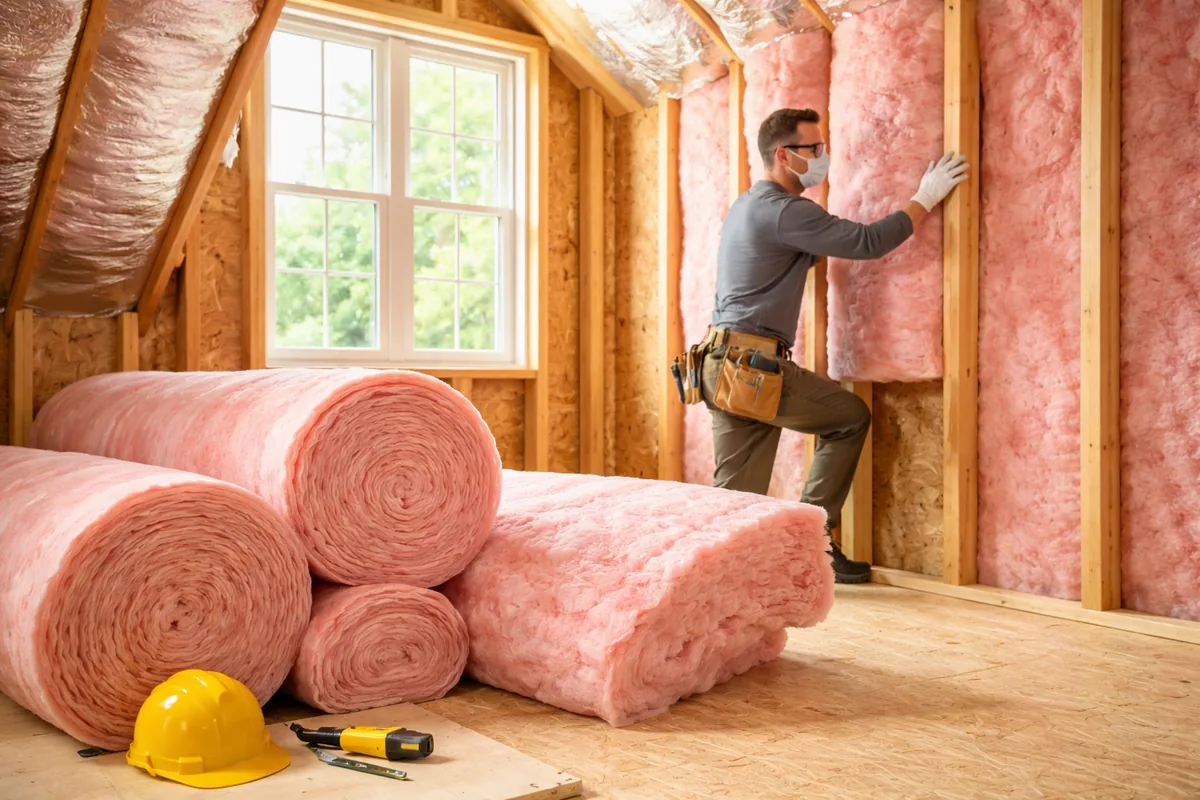
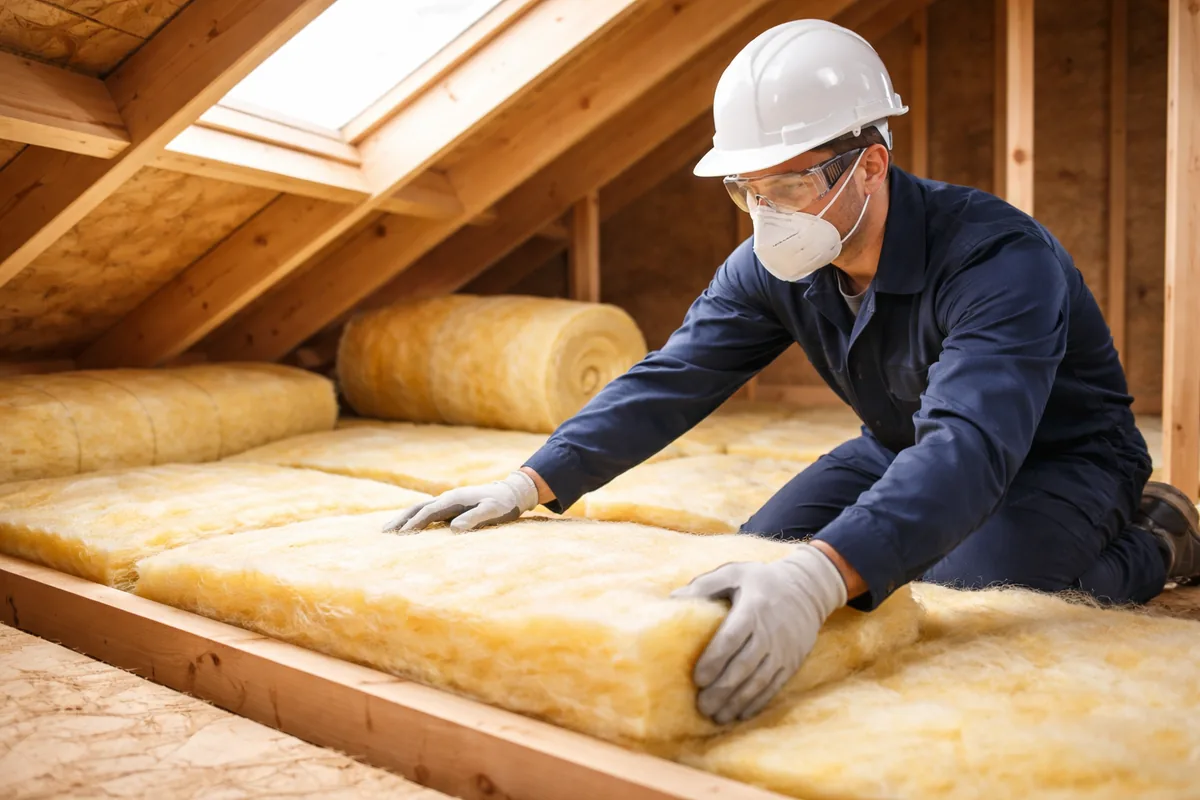
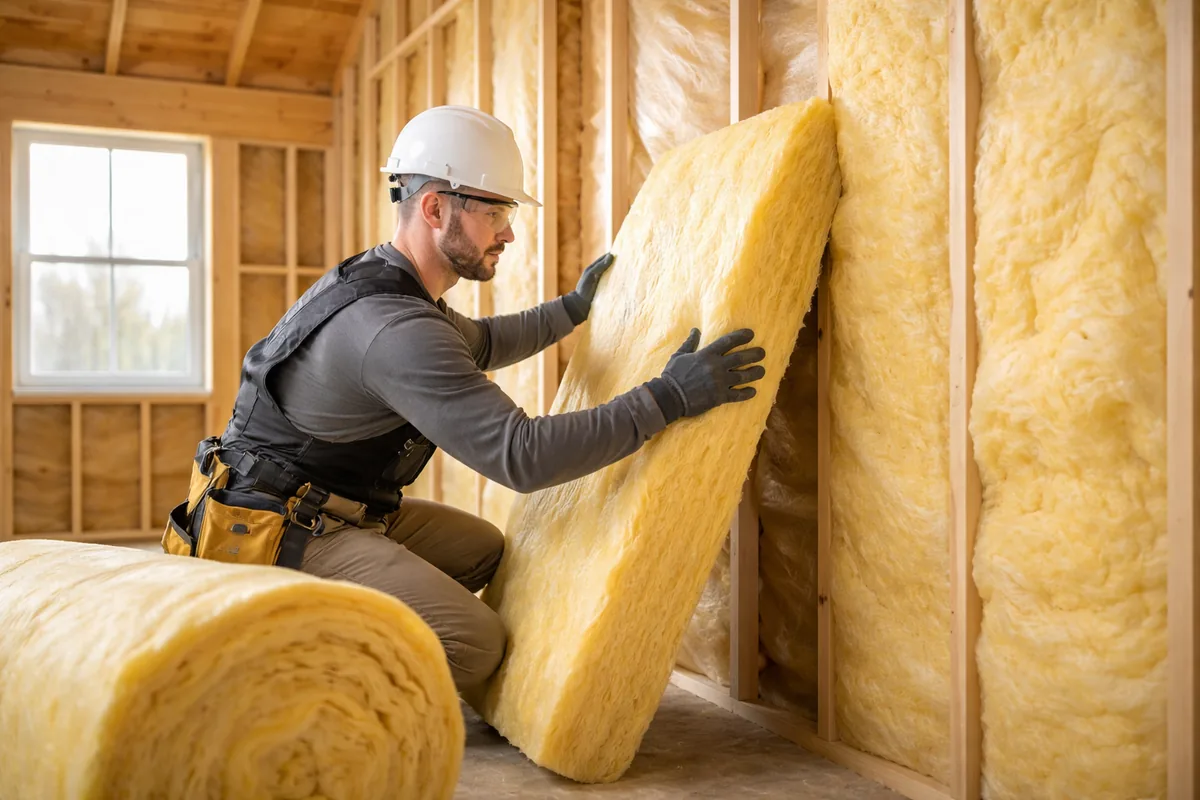
Several insulation materials are suitable for crawl spaces, each with its own set of benefits. Fiberglass batts are a popular choice due to their cost-effectiveness and ease of installation. They work well in moderate climates but may not be sufficient in areas with extreme temperatures. Spray foam insulation provides superior thermal resistance and can create an air seal, making it ideal for crawl spaces where air leakage is a concern.
Rigid foam boards are another option, offering high insulation values and moisture resistance. Homeowners should select insulation based on their specific needs, climate, and the configuration of the crawl space. Consulting with a professional can help determine the most appropriate type.
Cost considerations for insulation
The cost to insulate a crawl space can vary based on material choice, labor, and the size of the space. Typically, materials can range from $1 to $3 per square foot, while professional installation fees may add another $2 to $5 per square foot depending on the complexity of the job. Therefore, for a 1,000 sq ft crawl space, homeowners may expect to spend between $3,000 and $8,000 in total.
While this may seem steep, it is essential to consider the long-term savings on energy bills and potential repair costs resulting from moisture damage. Many homeowners find that insulation pays for itself in a relatively short time frame through reduced energy expenses.
How to insulate crawl spaces effectively
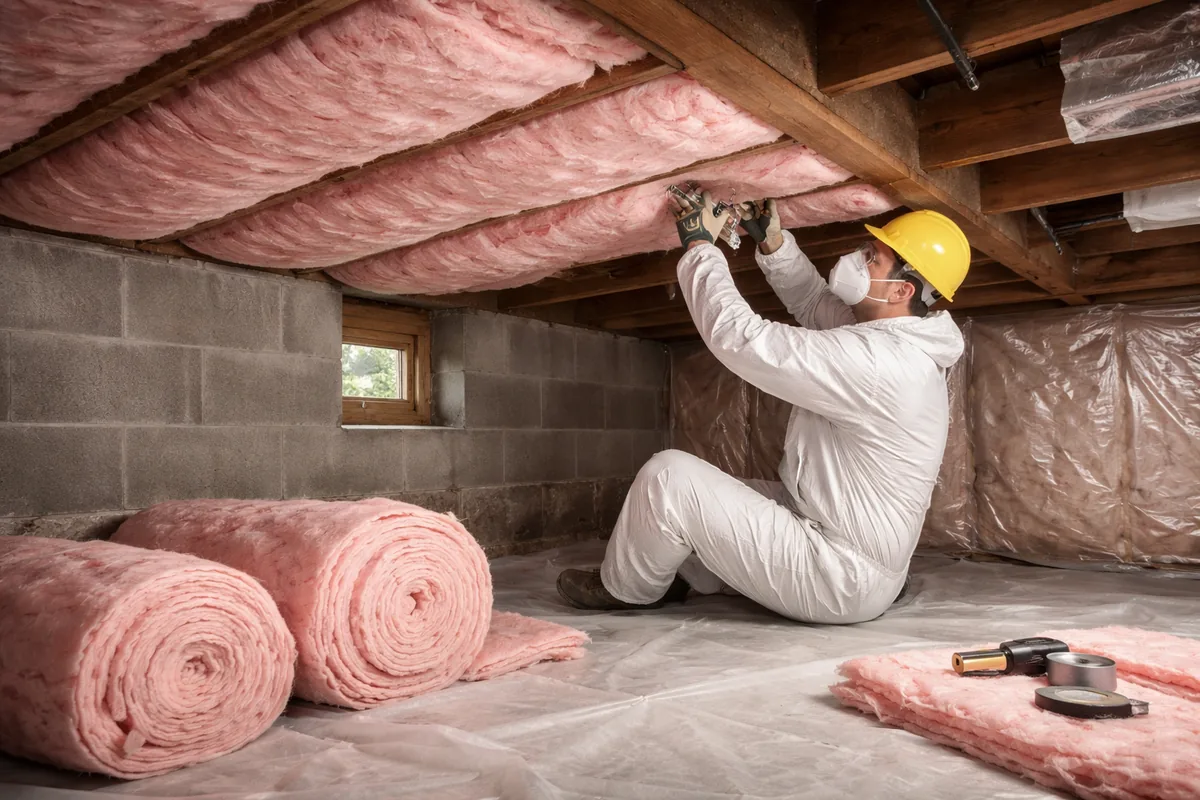
Effectively insulating crawl spaces involves several steps. First, it is crucial to clean the area, removing any debris or existing moisture issues. Following this, homeowners can choose to insulate the walls or the floor of the crawl space. Wall insulation is generally more effective in colder climates, while floor insulation may be viable in moderate regions.
Additionally, vapor barriers should be installed on the ground to prevent ground moisture from rising into the crawl space. Sealing air leaks around vents and ducts is also vital to improve the overall energy efficiency. Hiring a professional may ensure that the installation adheres to local codes and is done correctly.
Long-term effects of insulation
In the long run, insulating crawl spaces has positive repercussions for both homeowners and the property. With enhanced energy efficiency, homes will demand less energy for heating and cooling, ultimately lowering utility bills. Additionally, less moisture penetration means reduced risks of significant issues such as wood rot and structural damage.
Furthermore, homes with properly insulated crawl spaces may see an increase in resale value. Potential buyers often view insulated homes favorably, knowing that they are less likely to encounter hidden repair needs related to insulation failures or moisture damage.
| Insulation Type | Cost per sq ft | Advantages |
|---|---|---|
| Fiberglass batts | $1 - $2 | Cost-effective, easy to install |
| Spray foam | $2 - $4 | High thermal resistance, air sealing |
| Rigid foam boards | $2 - $3 | Moisture resistant, good insulation value |
FAQ
Is it necessary to insulate crawl spaces in older homes?
Yes, insulating crawl spaces in older homes can significantly improve energy efficiency, reduce moisture problems, and enhance indoor comfort.
Can homeowners insulate their crawl spaces themselves?
While some homeowners may choose to do it themselves, hiring a professional is recommended to ensure proper installation and compliance with local building codes.
What type of insulation is best for my crawl space?
The best type of insulation depends on your local climate and specific needs. Spray foam or rigid foam may be ideal for moisture-prone areas, while fiberglass is suitable for moderate climates.
How does insulation affect energy bills?
Proper insulation in crawl spaces helps maintain consistent indoor temperatures, reducing the demand for heating and cooling, leading to lower energy bills.
What signs indicate my crawl space needs insulation?
If you notice drafts, uneven room temperatures, or signs of mold or moisture, it may be a sign that your crawl space requires insulation.