The average cost to insulate a 1500 sq ft home with fiberglass insulation typically ranges from $1,500 to $3,000. Factors influencing this price include the type of installation, labor costs, and the specific areas being insulated.
The importance of insulation for energy efficiency
Insulation plays a crucial role in maintaining a comfortable home environment while also reducing energy costs. Properly insulating a house minimizes heat transfer, keeps the indoor temperature stable, and enhances the efficiency of heating and cooling systems. In climates with extreme temperatures, adequate insulation can lead to substantial savings on energy bills, making it a wise investment for homeowners.
Cost breakdown of fiberglass insulation installation
When considering the cost of insulating a 1500 sq ft home, it's helpful to break down the total cost into material prices, labor charges, and additional expenses. The table below outlines a general overview of these costs:
| Cost Component | Approximate Cost |
|---|---|
| Fiberglass Insulation (material) | $0.50 - $1.00 per sq ft |
| Labor (installation fees) | $1.00 - $2.00 per sq ft |
| Additional materials (tape, barriers, etc.) | $100 - $300 |
| Total Estimated Cost | $1,500 - $3,000 |
Factors affecting insulation costs
Several factors can influence the overall cost of installing fiberglass insulation in your home:
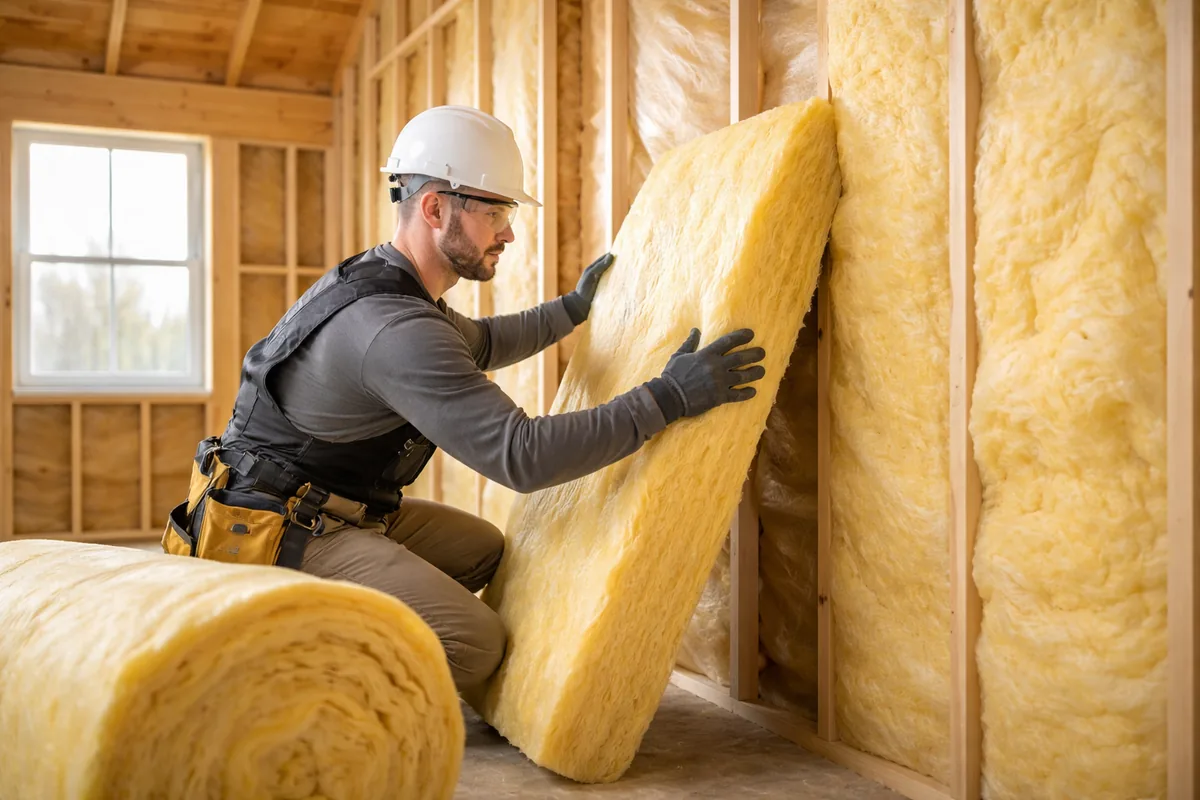
- Type of installation: DIY installations can save on labor costs, while hiring professionals may add to the overall expense. DIY insulation typically requires upfront material investment, whereas professional installation offers expertise and labor.
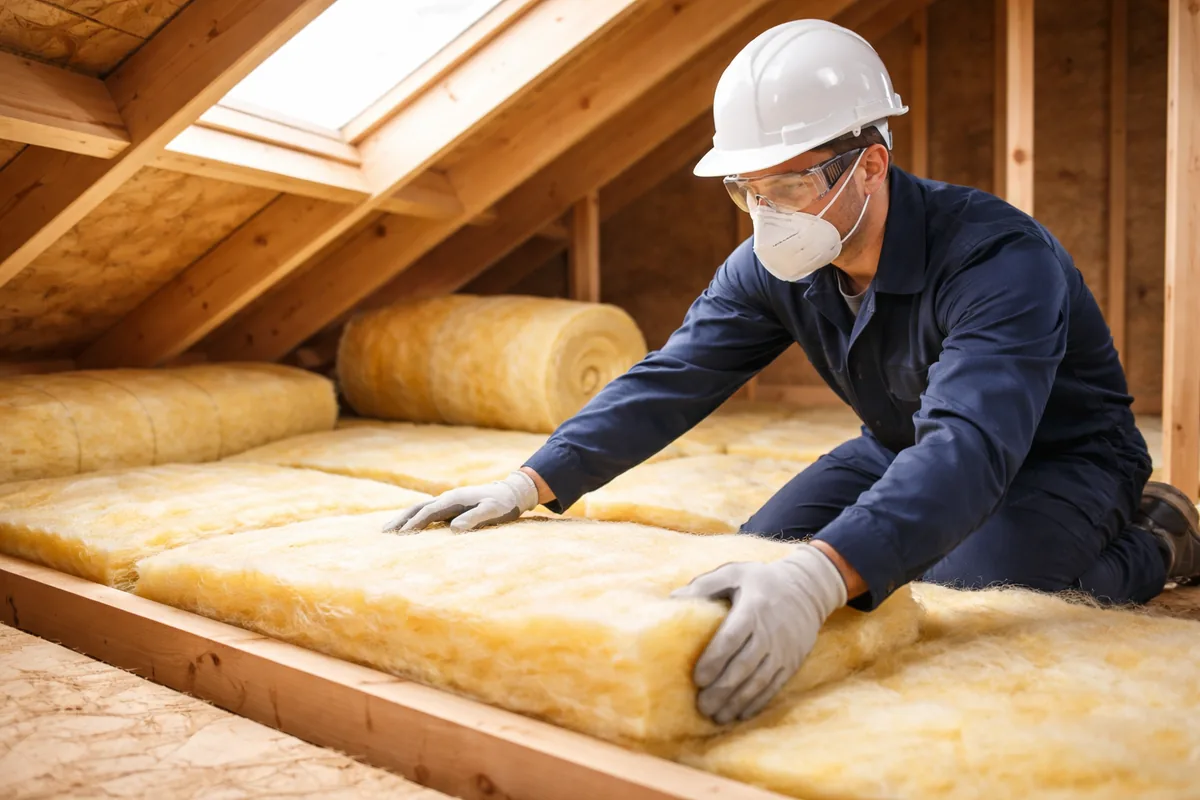
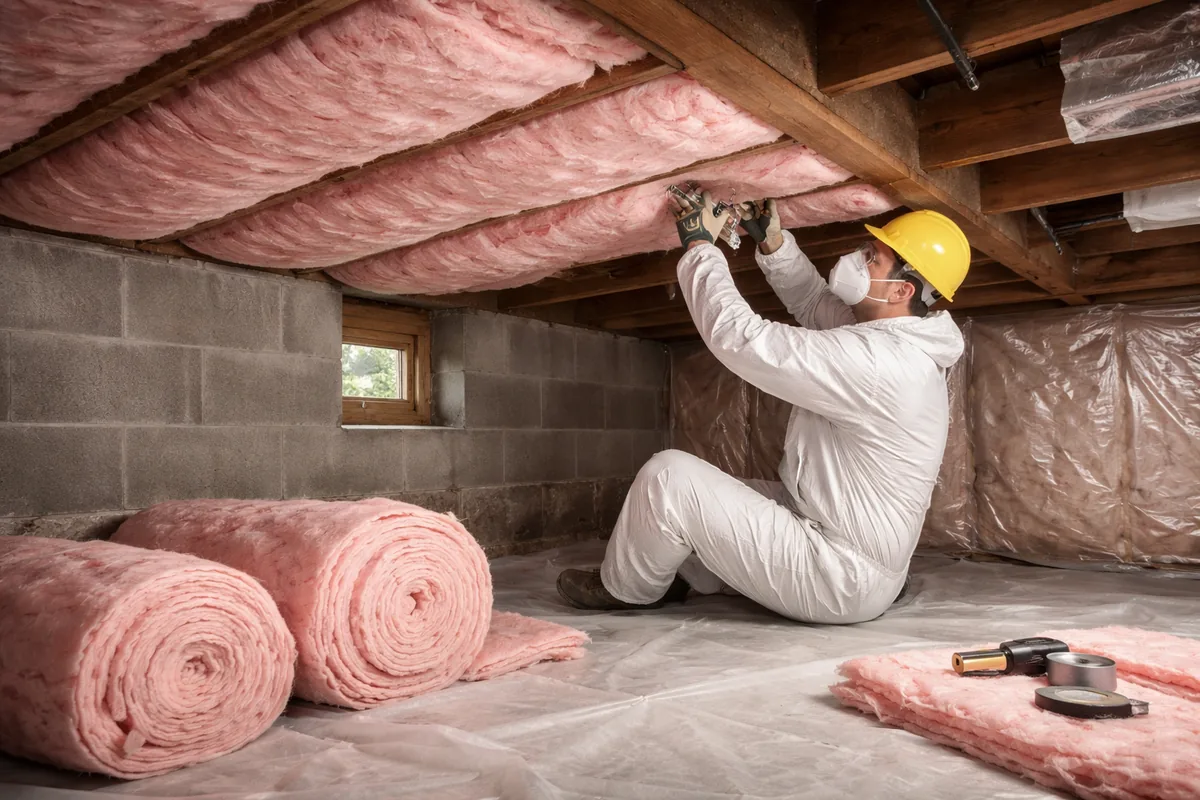
- Location within the home: Different areas may come with varying complexity in installation. For example, insulating an attic might be easier than working in wall cavities or crawl spaces.
- Local labor rates: Labor costs can vary significantly based on the geographical location of the home. Urban areas may have higher labor rates compared to rural regions.
- Type and R-value of insulation: The specific fiberglass product chosen can also impact costs. Higher R-values provide better insulation but may cost more initially.
Long-term savings and return on investment
While the upfront cost of insulation may seem high, the long-term savings can make it worthwhile. Proper insulation can lead to a reduction in heating and cooling costs by up to 30% over time. Furthermore, it can increase the overall value of a home, making it a sound investment in the long run. Additionally, many states offer incentives and rebates for insulation upgrades, which can further offset initial costs.
Additional considerations for home insulation
When planning your insulation project, consider the following factors:
- Building codes and regulations: Ensure that any insulation work complies with local building codes and regulations, which may dictate certain R-values or methods of installation.
- Environmental impact: Opting for eco-friendly fiberglass insulation options can reduce environmental impact and may qualify for green building tax incentives.
- Future renovations: If you plan on renovating your home in the near future, consider how the insulation project may interact with those plans, as you may need to modify or replace insulation materials down the line.
DIY fiberglass insulation installation tips
If you decide to take on the installation as a DIY project, keep these tips in mind:
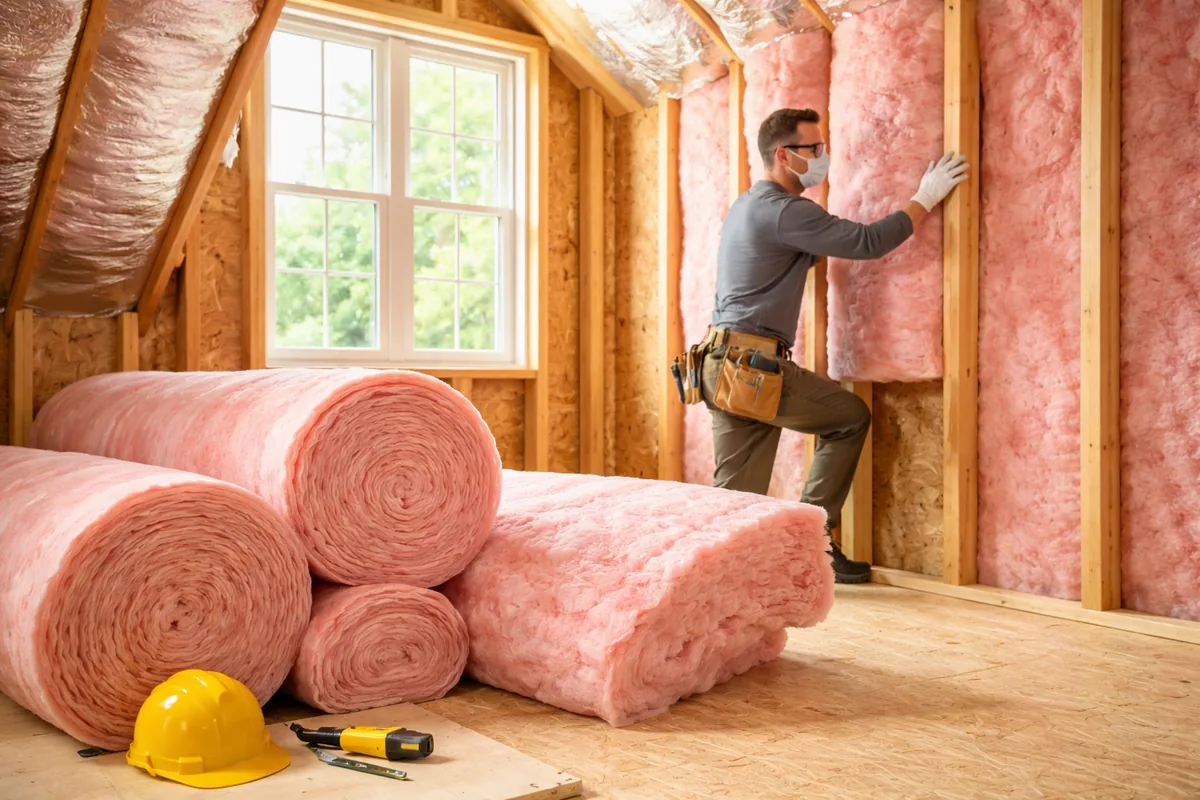
- Wear protective gear, including gloves, goggles, and a mask, to prevent irritation from fiberglass particles.
- Measure your spaces accurately to avoid purchasing excess materials.
- Use appropriate tools, such as a utility knife or insulation saw, for cutting fiberglass appropriately.
- Ensure to follow installation guidelines carefully to achieve the desired R-value.
FAQ
What is the average R-value for fiberglass insulation?
The average R-value for fiberglass insulation ranges from R-11 to R-38, depending on the thickness and type of product used.
Can I install fiberglass insulation myself?
Yes, fiberglass insulation can be a viable DIY project, provided you take the proper safety precautions and follow installation guidelines carefully.
How often should I replace insulation in my home?
Insulation does not have a definitive expiration date; however, it should be assessed regularly for wear, damage, or moisture issues that could reduce its effectiveness.
Is fiberglass insulation safe for my home?
When handled properly, fiberglass insulation is safe for residential use. Wearing protective gear during installation can minimize any potential irritation.
What other types of insulation are available?
Besides fiberglass insulation, common alternatives include foam boards, spray foam, cellulose, and mineral wool, each offering different benefits and costs.