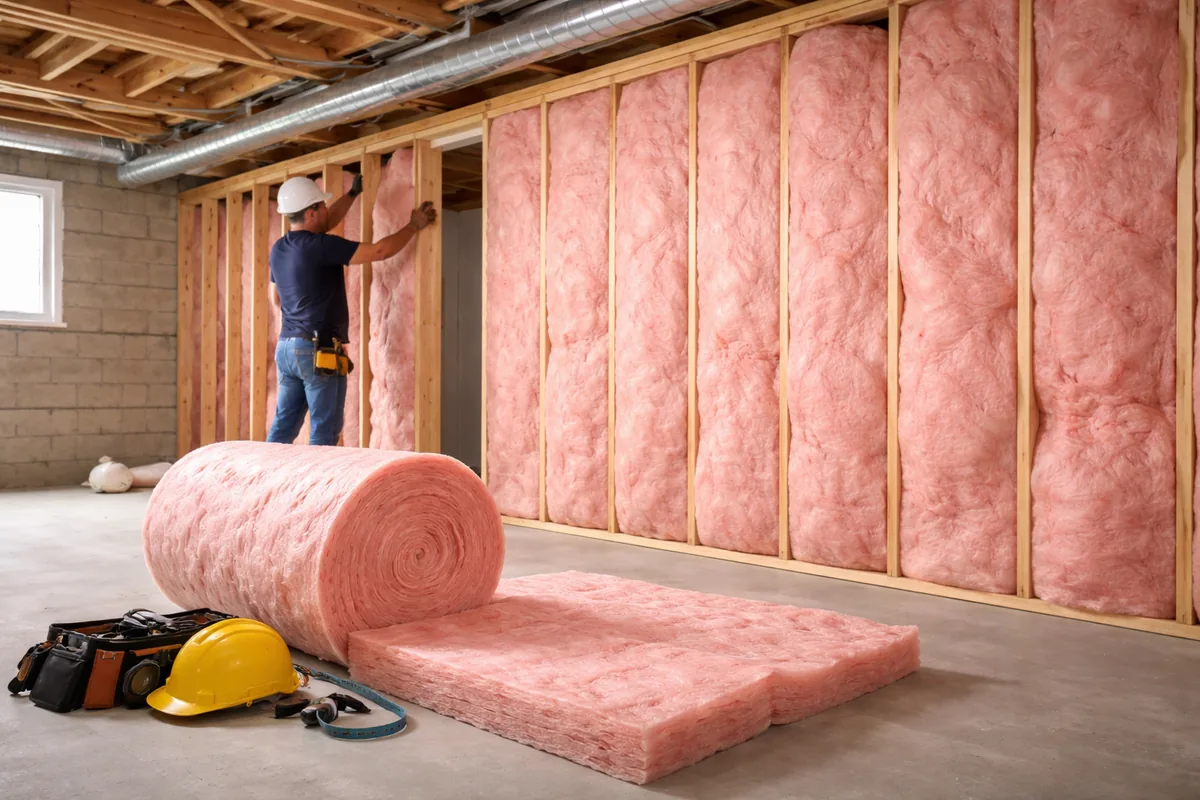
Insulating a basement typically costs around $1.25 to $4.50 per square foot. This range depends on various factors including materials used, labor costs, and the overall complexity of the project.
Factors affecting insulation costs
Several elements influence the overall cost of insulating a basement. First, the type of insulation material significantly affects pricing. Common options include fiberglass batts, spray foam, and rigid foam board. Each type varies in effectiveness, installation methods, and pricing. Secondly, the size and layout of your basement play a crucial role. Larger, more complex spaces require more materials and labor, increasing overall costs. Lastly, regional labor rates vary, meaning costs can differ based on geographical location.
Types of insulation materials
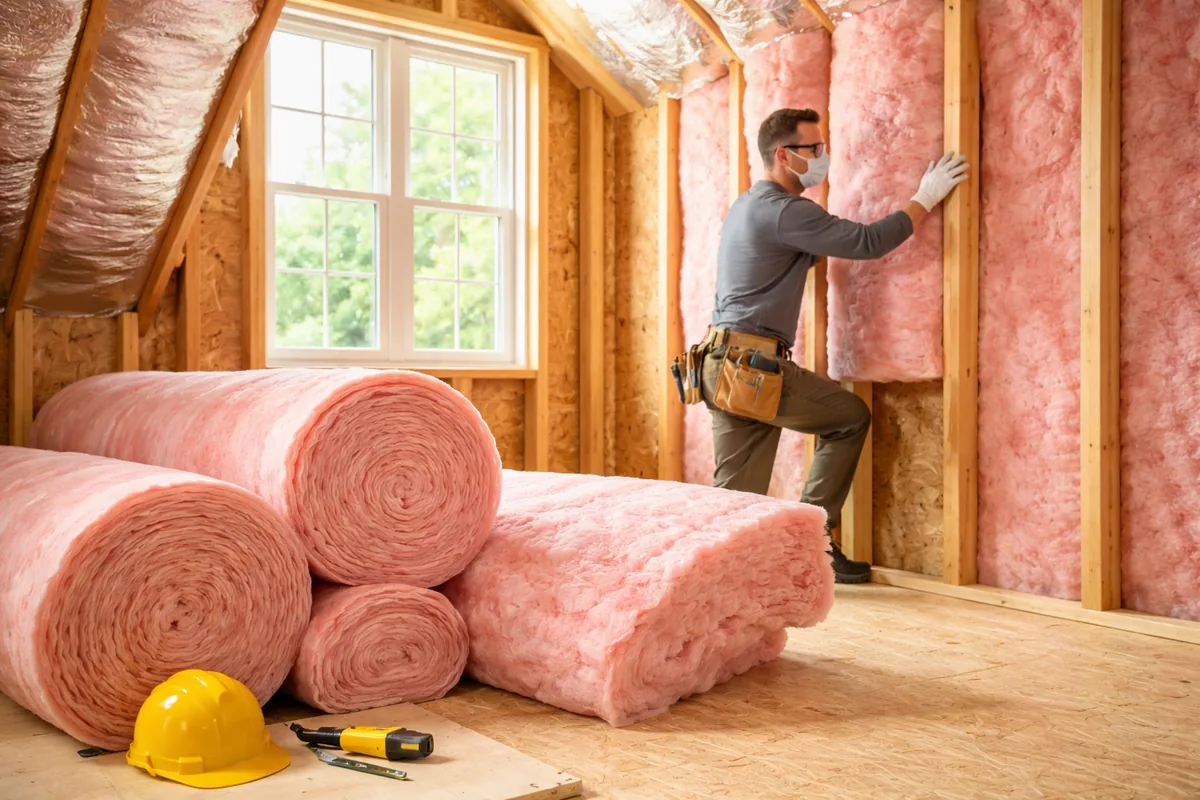
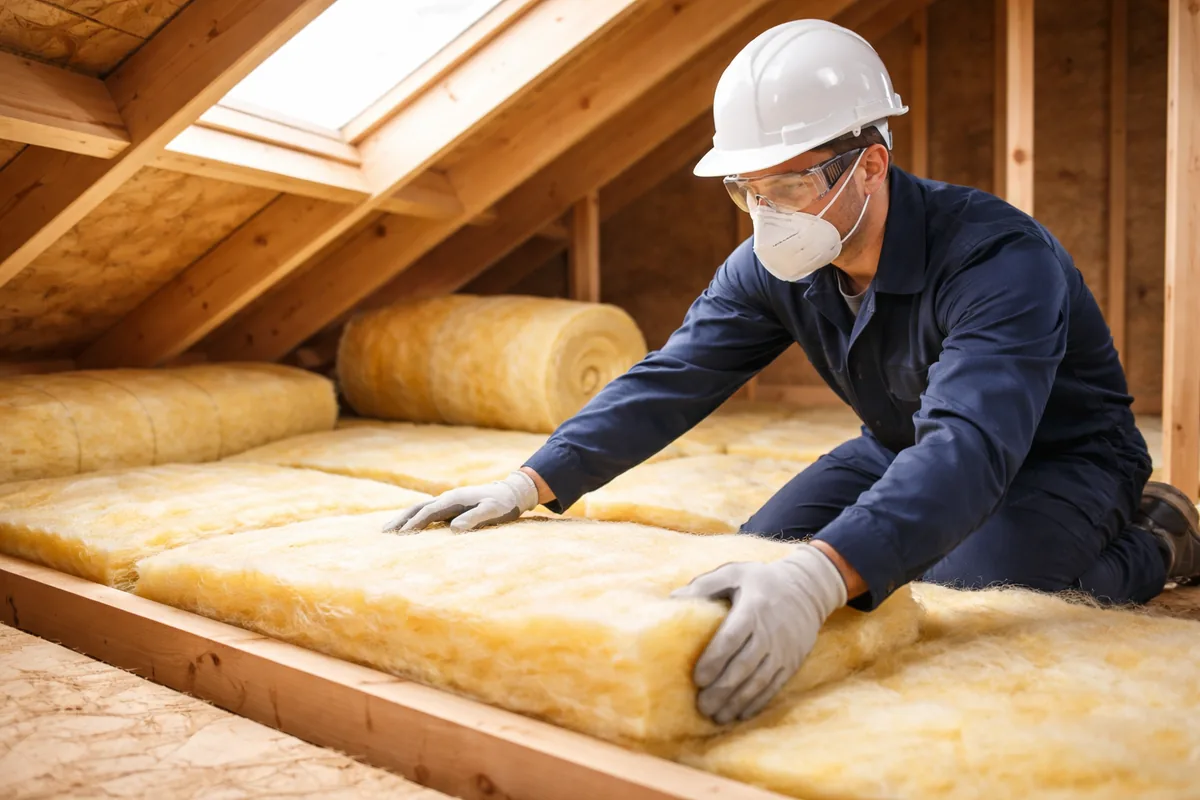
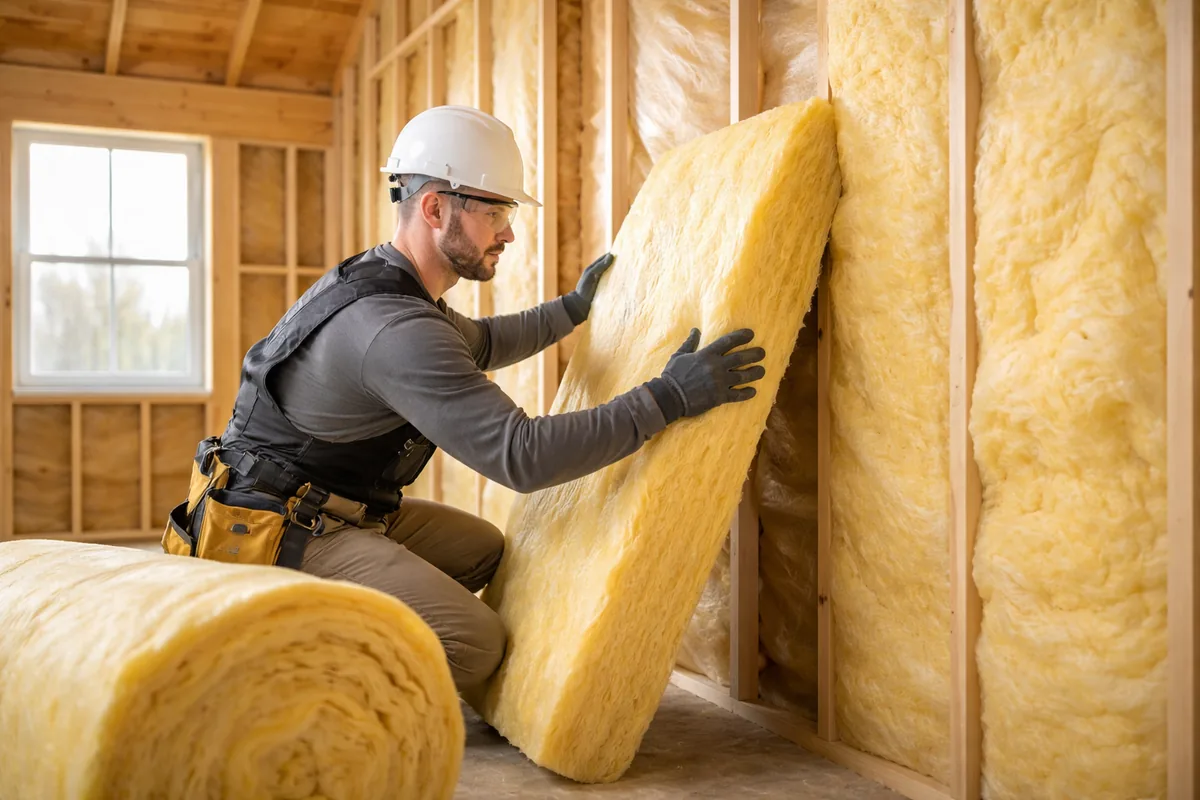
When insulating a basement, choosing the right material is essential for energy efficiency and cost-effectiveness. Fiberglass insulation is one of the most common types due to its affordability and ease of installation. It typically costs between $0.50 and $1.50 per square foot. Spray foam insulation presents a higher cost due to its superior insulation properties, ranging from $1.50 to $3.50 per square foot. Finally, rigid foam boards offer excellent thermal resistance at a price between $1.00 and $2.50 per square foot, allowing for insulation in tight spaces while maintaining strong structural integrity.
Estimating labor costs
Labor costs can vary significantly based on location and the complexity of the installation. Generally, professional installation can cost between $0.50 and $2.00 per square foot, based on local rates. Professionals not only provide labor but also ensure that the insulation meets local building codes. DIY insulation projects are often cheaper but require time, skill, and upfront investment in the right tools and materials.
Potential savings from insulation
Investing in basement insulation provides long-term savings on energy bills by maintaining a consistent temperature throughout the home. An insulated basement can lower heating and cooling costs by 15% to 30%, depending on the climate and the quality of insulation. Additionally, proper insulation helps prevent moisture build-up, reducing the risk of mold and mildew, which can lead to costly repairs and health issues.
Cost breakdown example
| Insulation type | Cost per square foot | Typical R-value |
|---|---|---|
| Fiberglass batts | $0.50 - $1.50 | R-11 to R-15 |
| Spray foam | $1.50 - $3.50 | R-6 to R-7 per inch |
| Rigid foam board | $1.00 - $2.50 | R-5 to R-6 per inch |
This table illustrates the cost and thermal resistance of different insulation types commonly used in basements. It’s crucial to assess your specific insulation needs based on your home’s design and regional climate.
DIY versus professional insulation installation
While some homeowners opt for a DIY approach to save money, professional installation often guarantees better results. Insulation requires precise fitting and adherence to safety and building standards, which professionals bring to the table. However, if you are skilled with tools and have time to dedicate, a DIY installation can be a rewarding project that cuts costs significantly. Weigh the pros and cons of each approach before deciding, taking into account potential long-term consequences of improper installation.
Long-term benefits of proper insulation
Insulating your basement not only enhances energy efficiency but also increases the overall comfort of your living space. Proper insulation helps maintain a consistent indoor temperature, reducing the load on your HVAC system and potentially prolonging its lifespan. Furthermore, a well-insulated basement can add value to your home, making it more attractive to future buyers.
FAQ
What is the average cost to insulate a basement?
The average cost to insulate a basement ranges from $1.25 to $4.50 per square foot, depending on the insulation type and installation method.
Can I insulate my basement myself?
Yes, homeowners can insulate their basements themselves, but it requires knowledge of materials and proper installation techniques to ensure effectiveness.
What type of insulation is best for basements?
Spray foam insulation is often considered the best due to its high R-value, moisture resistance, and ability to fit snugly in tight spaces.
How does insulation save on energy bills?
Insulation maintains a stable indoor temperature, reducing the energy demands on heating and cooling systems, which translates to lower energy bills.
How long does basement insulation last?
With proper installation and maintenance, basement insulation can last for 20 years or more, significantly contributing to energy efficiency.