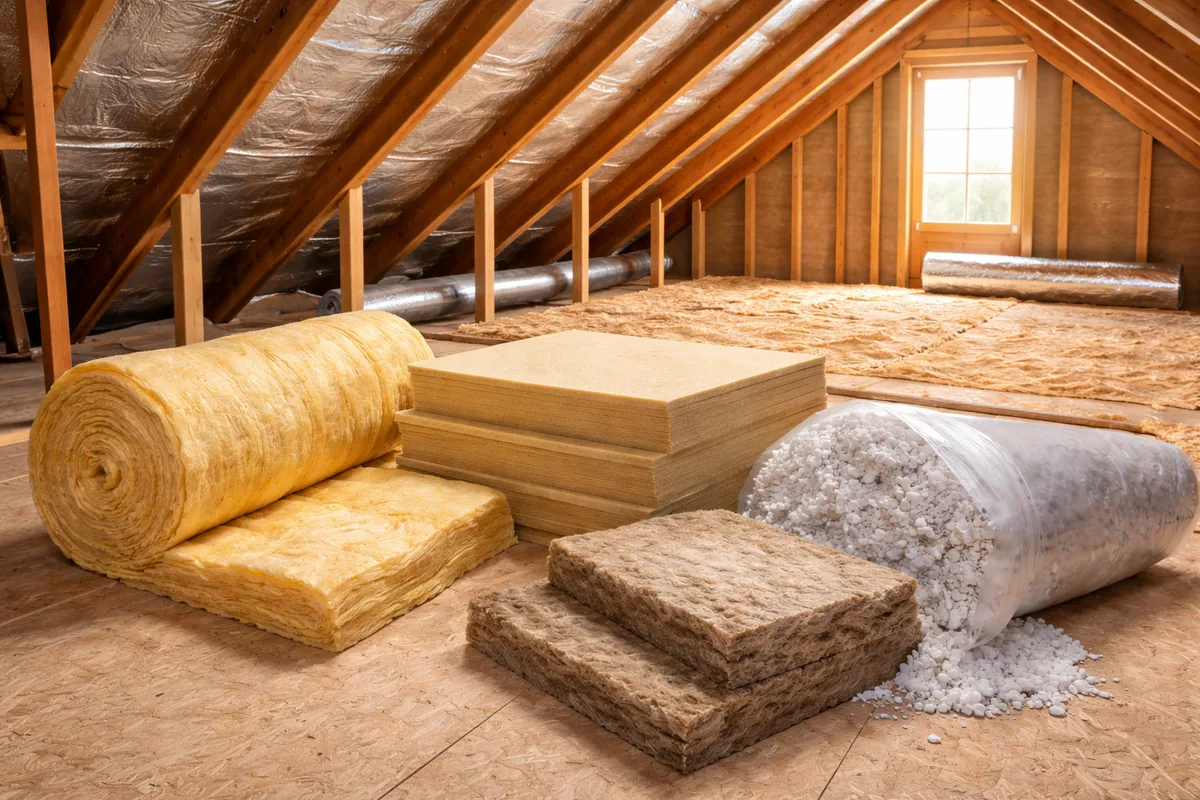
When it comes to attic insulation, the best materials to use are fiberglass, spray foam, cellulose, and mineral wool. Each of these materials offers unique advantages that can enhance your home's energy efficiency, comfort, and even soundproofing qualities.
Understanding insulation materials
Insulation materials are designed to slow down the transfer of heat between your living space and the external environment. Choosing the right insulation for your attic can greatly influence your heating and cooling costs throughout the year. Insulation is measured by its R-value, which indicates its thermal resistance. The higher the R-value, the more effective the insulation at preventing the transfer of heat.
Fiberglass insulation
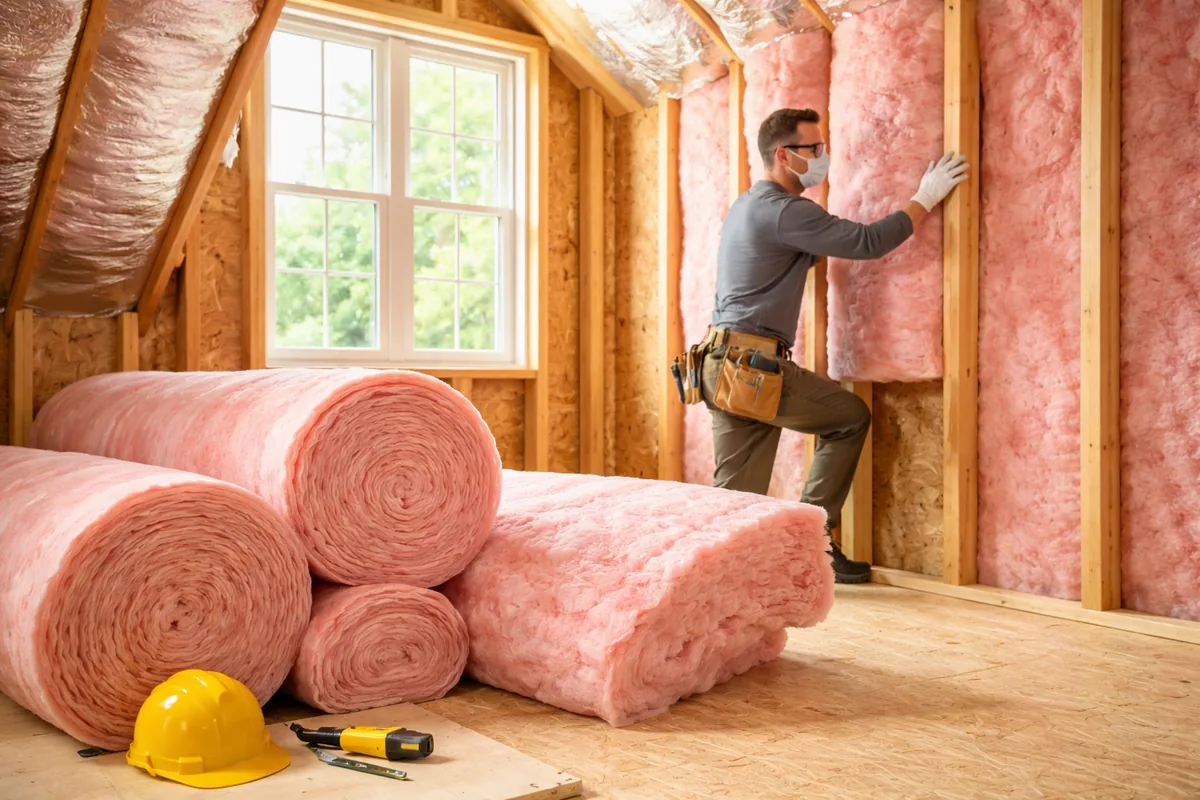
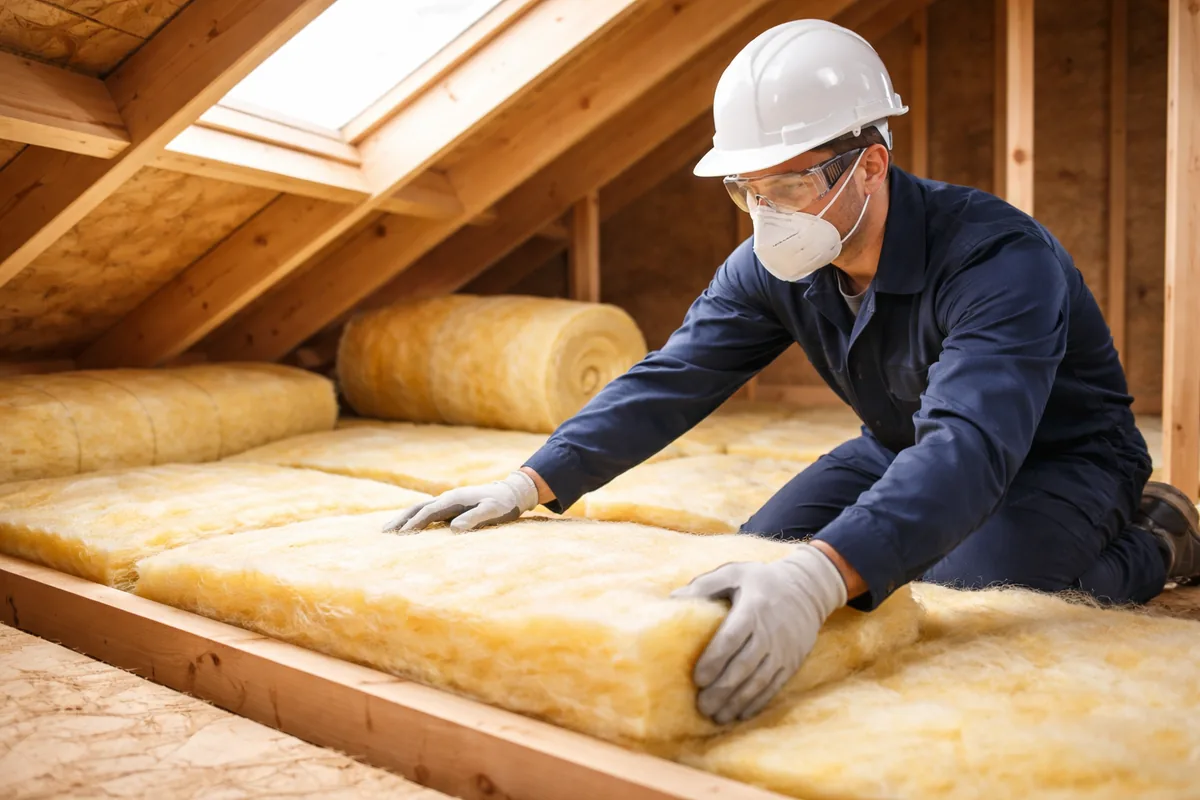
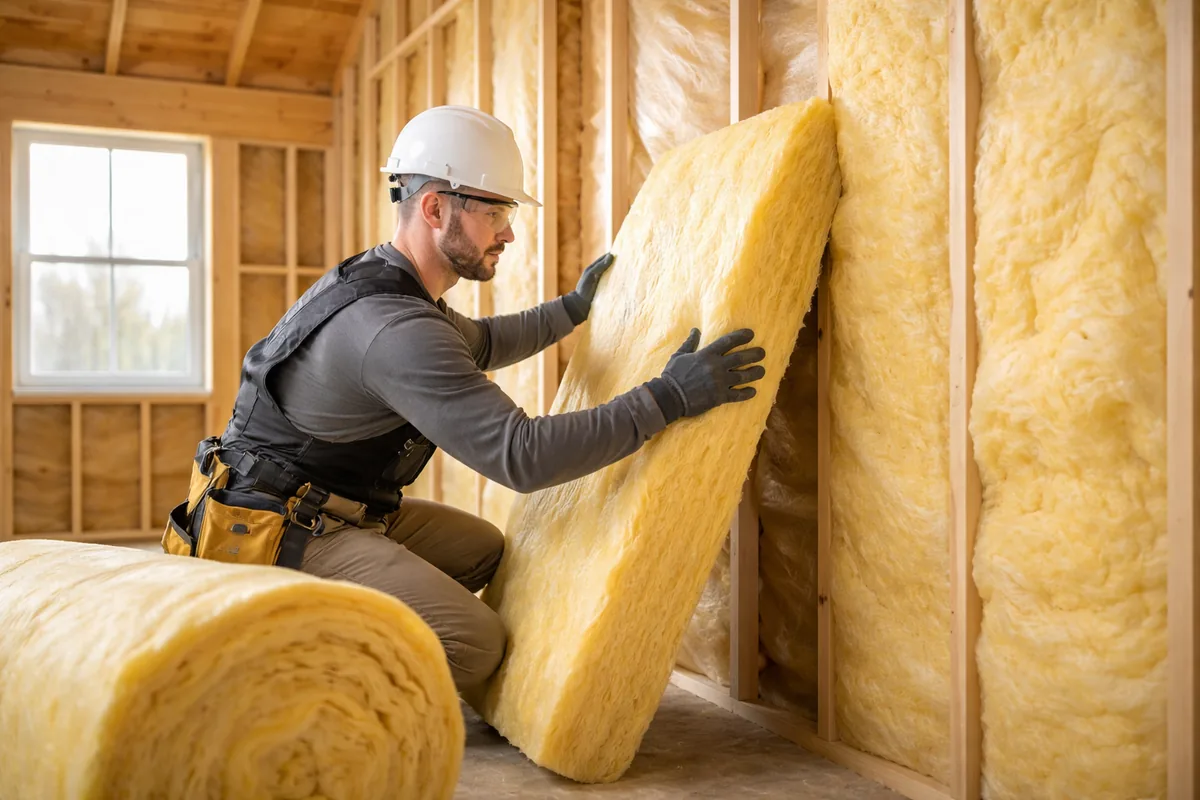
Fiberglass insulation is one of the most common types used for attics. Made from fine glass fibers, it is non-combustible, resistant to moisture, and moderately priced. Its typical R-value ranges from 11 to 38 depending on the thickness and application method. Fiberglass insulation can be installed in batts or rolls for larger areas. It is essential to wear protective gear during installation, as fiberglass particles can irritate the skin and lungs. Although it is an excellent insulator, fiberglass does not provide an air barrier, so additional measures may be required to seal air leaks.
Spray foam insulation
Spray foam insulation is a particularly effective option for sealing small gaps and spaces that fiberglass cannot reach. This option expands upon application, forming an airtight seal that reduces air leakage significantly. By preventing air intrusion, spray foam insulation achieves a higher effective R-value. It can have an R-value of 6 to 7 per inch, making it one of the most efficient insulating materials. However, spray foam tends to be more expensive than other types, costing between $0.50 to $3.00 per square foot installed, depending on the type used (open-cell or closed-cell). Additionally, professional installation is highly recommended to achieve optimal results.
Cellulose insulation
Comprising recycled paper products, cellulose insulation is an eco-friendly choice that can be blown into attics or wall cavities. Cellulose has an R-value of approximately 3.5 to 4 per inch and is treated with a fire retardant for safety. This insulation type also provides soundproofing benefits due to its density. Proper installation techniques must be employed to ensure adequate coverage and prevent settling. Cellulose is generally less expensive than spray foam, making it a popular option for environmentally-conscious homeowners. Like fiberglass, cellulose insulation requires air sealing before installation to maximize efficiency.
Mineral wool insulation
Mineral wool, or rock wool, is made from natural stone and recycled industrial waste. It offers superior fire resistance, moisture resistance, and excellent soundproofing capabilities. With an R-value of around 3.7 to 4.4 per inch, mineral wool can be an effective solution for your attic as well. Its resilience to water and mold makes it a suitable option for humid climates. While more expensive than fiberglass, the added benefits can outweigh the cost in terms of energy efficiency and durability. Installation methods include batts, rolls, or loose fill, allowing for versatility in application.
| Material | R-value per inch | Soundproofing | Moisture resistance | Cost (per sq ft) |
|---|---|---|---|---|
| Fiberglass | 11 to 38 | Moderate | Low | $0.30 - $1.50 |
| Spray foam | 6 to 7 | High | High | $0.50 - $3.00 |
| Cellulose | 3.5 to 4 | Good | Moderate | $0.50 - $1.50 |
| Mineral wool | 3.7 to 4.4 | High | High | $0.80 - $2.00 |
Factors to consider when selecting insulation
When selecting the best insulation material for your attic, consider several factors beyond R-value. Installation method, cost, local climate conditions, and personal environmental preferences significantly affect your choice. Budget constraints may dictate whether you opt for a DIY installation or hire a professional. Additionally, you should evaluate how quickly you want your project completed, as some materials require specialized skills. Each insulation type has specific installation techniques that can influence long-term performance, making it crucial to choose a reputable contractor if opting for professional installation.
Maintaining attic insulation
After selecting and installing proper insulation, periodic checks are essential to ensure it remains effective over time. Look for signs of moisture accumulation, visible wear, or pest infiltration that could compromise insulation performance. Conducting regular inspections can save significant costs by identifying issues early, avoiding the need for an entire re-insulation project. If you notice your energy bills rising unexpectedly, it may be time to assess your attic insulation.
FAQ
What R-value is required for attic insulation?
The recommended R-value for attic insulation varies by region but generally ranges from R-30 to R-60, depending on climate and energy efficiency goals.
Can I do attic insulation myself?
Yes, DIY insulation installation is possible with materials like fiberglass or cellulose. However, more complex materials like spray foam should be installed by professionals for best results.
How does attic insulation affect energy bills?
Proper attic insulation can significantly reduce heating and cooling costs by minimizing heat transfer, leading to lower energy bills throughout the year.
What is the lifespan of attic insulation?
The lifespan of attic insulation can vary, but fiberglass and mineral wool can last more than 30 years, while cellulose may require replacement every 15 to 30 years depending on its condition.
Should I seal air leaks before insulating?
Yes, sealing air leaks before installing insulation is crucial, as it maximizes energy efficiency and ensures that the insulation works effectively.