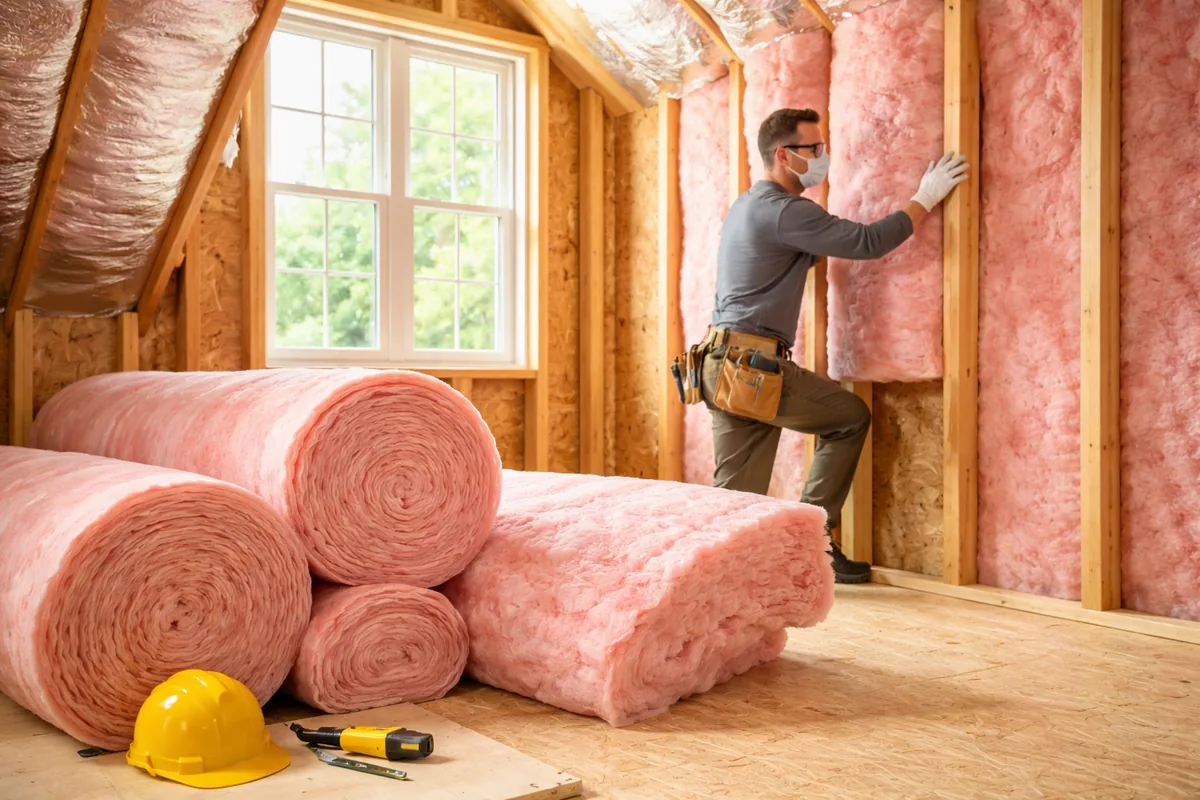
To achieve optimal performance, wall insulation should ideally be between 3.5 to 6 inches thick. This thickness range balances effective thermal resistance and overall energy efficiency, ensuring that your home remains comfortable throughout various seasons.
Understanding insulation R-value
The effectiveness of insulation is measured by its R-value, which indicates its thermal resistance. The higher the R-value, the better the insulation's performance in resisting heat transfer. In the United States, the recommended R-values vary by region, primarily due to differing climate conditions. For instance, colder regions require higher R-values, while warmer areas can function adequately with lower ones. Wall insulation thickness plays a crucial role in achieving the necessary R-value for your living space.
Types of insulation materials
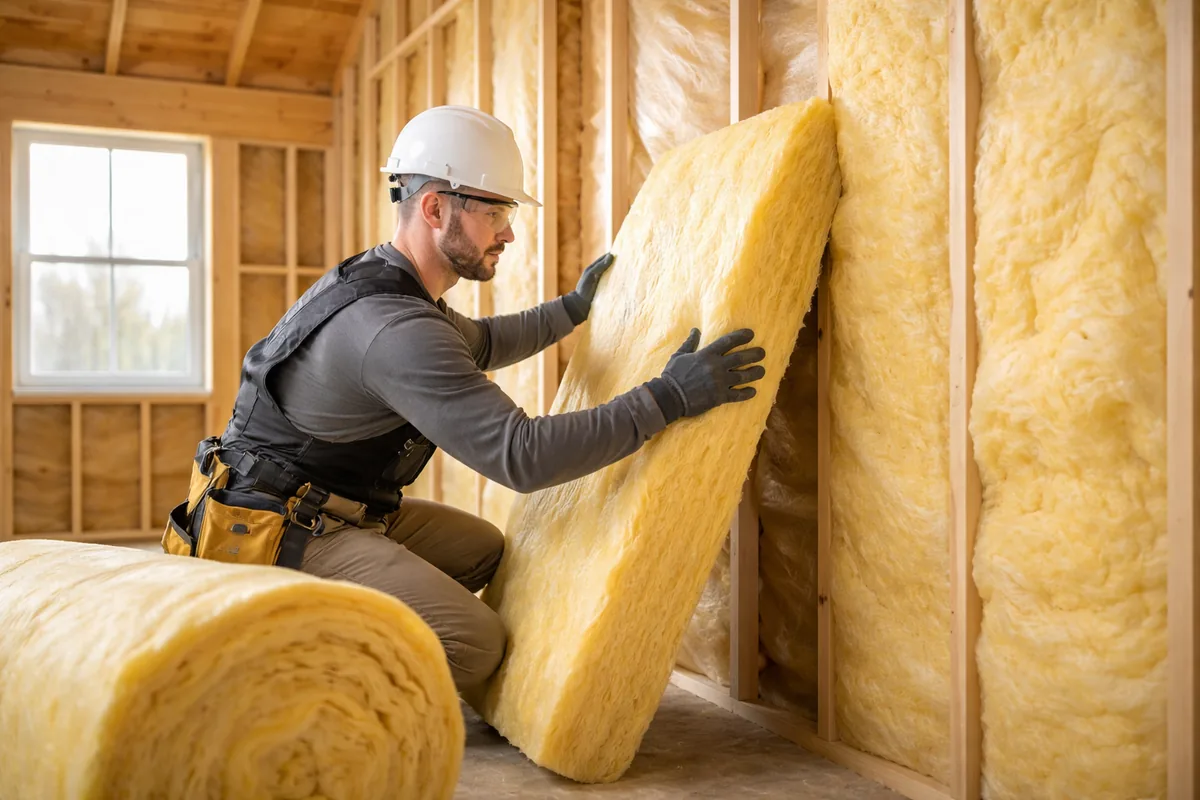
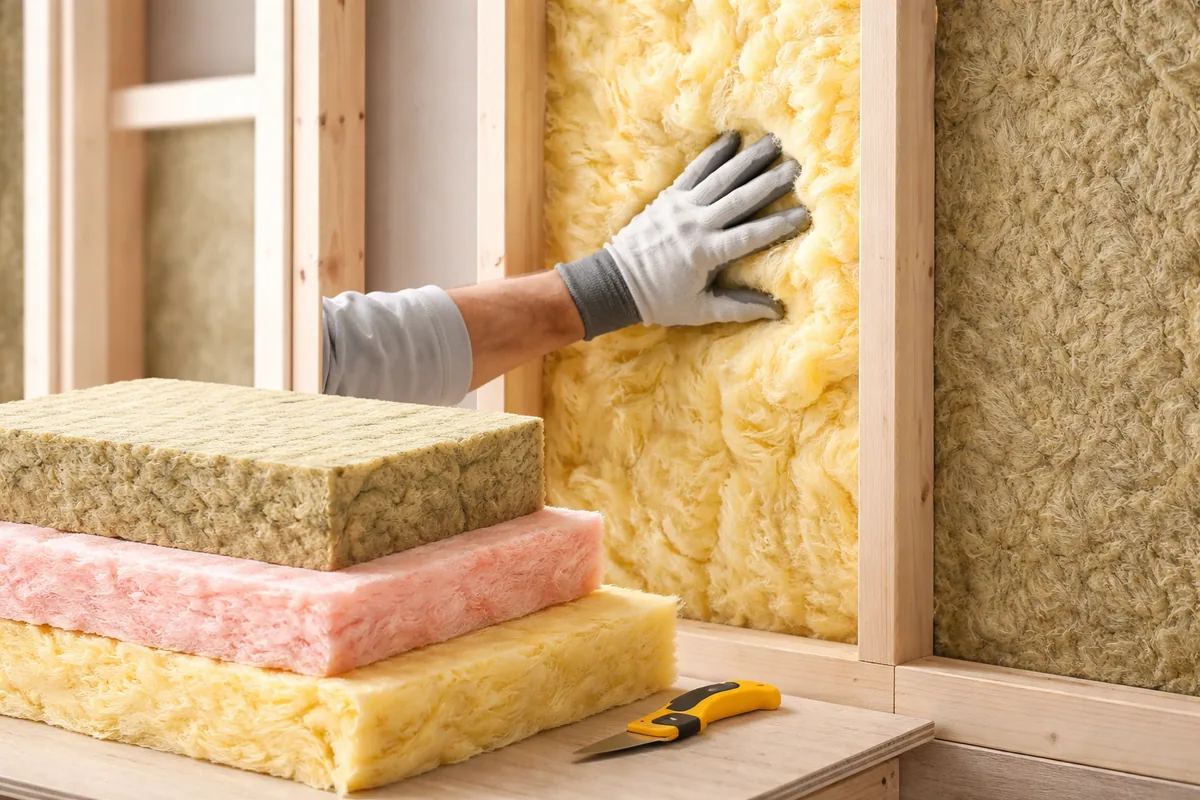
Various types of insulation materials are available, impacting the required thickness to achieve the desired thermal performance. Common types include fiberglass batts, foam board, spray foam, and cellulose. Each material has a different R-value per inch, affecting how thick the installation needs to be to meet the insulation standards for your area. For example, fiberglass batts typically offer an R-value of around 3.2 to 4.0 per inch, necessitating more thickness than spray foam, which can provide R-values between 6.0 and 7.0 per inch.
Factors influencing insulation thickness
When determining how thick wall insulation should be, several factors must be considered:
- Climate: The local climate significantly affects the type and thickness of insulation needed. Colder climates may require thicker insulation to prevent heat loss.
- Building codes: Local building codes often specify minimum insulation requirements, dictating how thick the insulation must be in certain areas.
- Desired energy efficiency: Homeowners must also consider their comfort preferences and energy bills. Thicker insulation can contribute to lower energy consumption and is often economically beneficial in the long run.
Typical insulation thicknesses for different climates
| Climate Zone | Recommended R-value | Typical Thickness (inches) |
|---|---|---|
| Warm (Zone 1-2) | R-13 to R-15 | 3.5 - 4 |
| Moderate (Zone 3) | R-15 to R-19 | 4 - 6 |
| Cold (Zone 4-5) | R-19 to R-30 | 5 - 7 |
| Very Cold (Zone 6-7) | R-30 to R-49 | 7 - 12 |
This table provides a clear reference to help homeowners understand recommended insulation thicknesses based on climate zones. The appropriate thickness not only protects against heat loss but also contributes to reducing energy costs significantly.
Installation considerations for wall insulation
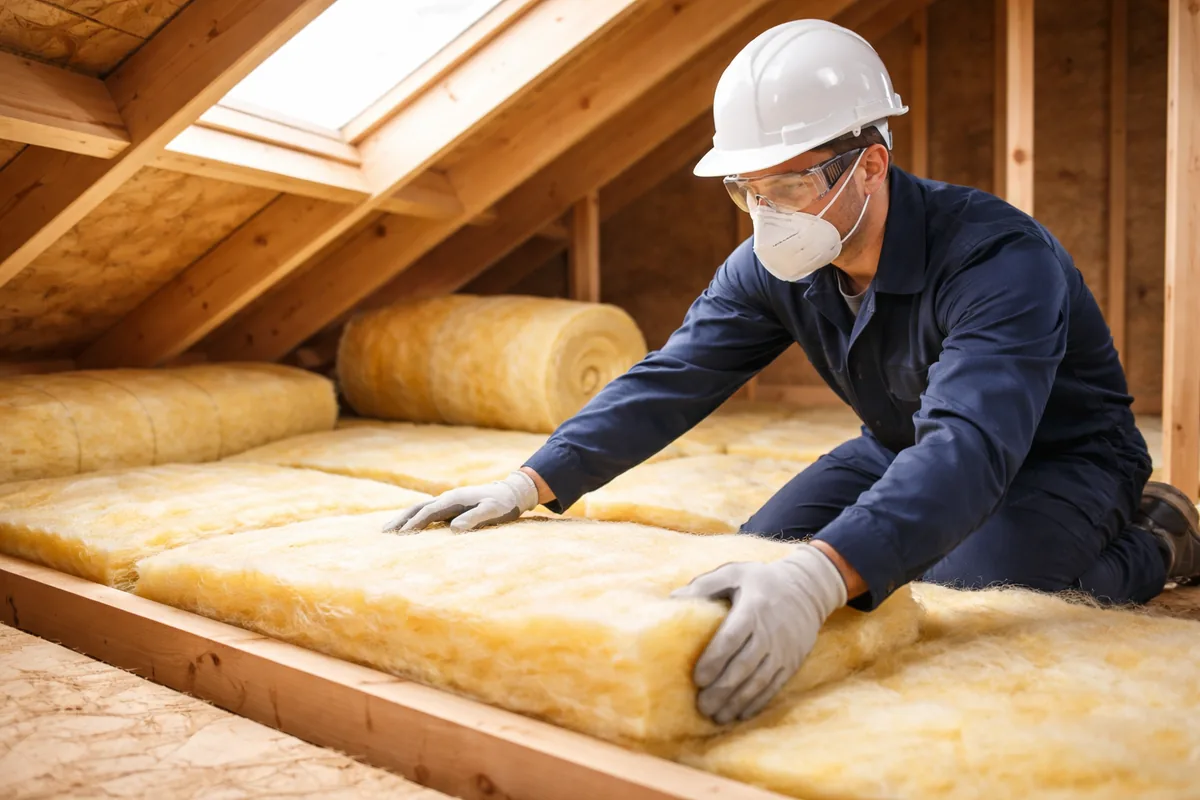
Proper installation of insulation is critical for achieving optimal performance. Gaps, compression, or improperly installed materials can dramatically reduce the effective R-value. Homeowners should consider hiring professional installers who understand how to maximize the insulation's intended benefits. Additionally, ensuring that insulation is moisture-resistant is key to preventing mold and decay, especially in wall cavities.
Long-term benefits of adequate insulation thickness
Investing in the right thickness of wall insulation can lead to several long-term benefits:
- Lower energy bills: Proper insulation reduces the reliance on heating and cooling systems, leading to significant energy savings.
- Improved comfort: A well-insulated home maintains consistent indoor temperatures, enhancing overall comfort for residents.
- Increased home value: Adequate insulation is an attractive feature for prospective buyers concerned about energy efficiency and comfort.
Maintenance and longevity of wall insulation
Even after installation, regular maintenance and inspections can ensure the longevity of wall insulation. Regular checks for signs of moisture damage or pest infestations are crucial. If any issues are detected, addressing them promptly can prevent further damage to the insulation and the structure of the home. Proper ventilation is also essential to ensure optimal performance and longevity.
FAQ
What is the best insulation material for walls?
The best insulation material depends on various factors, including climate, budget, and personal preference. Common options include fiberglass, spray foam, and cellulose, each with unique benefits.
How can I improve the insulation in my walls?
You can improve wall insulation by adding more material, sealing gaps, or replacing old insulation with higher R-value options to enhance thermal resistance.
Is thicker insulation always better?
While thicker insulation generally provides better thermal resistance, it must be appropriate for the climate and comply with local building codes. Always consult professionals for guidance.
How can I check my current wall insulation's effectiveness?
Inspecting for air leaks, checking the R-value of your current insulation, and assessing the thermal comfort of your home can indicate how effective your insulation is.
What happens if my wall insulation is too thin?
If wall insulation is too thin, it can lead to increased energy bills, discomfort due to fluctuating temperatures, and possible structural damage from moisture buildup.