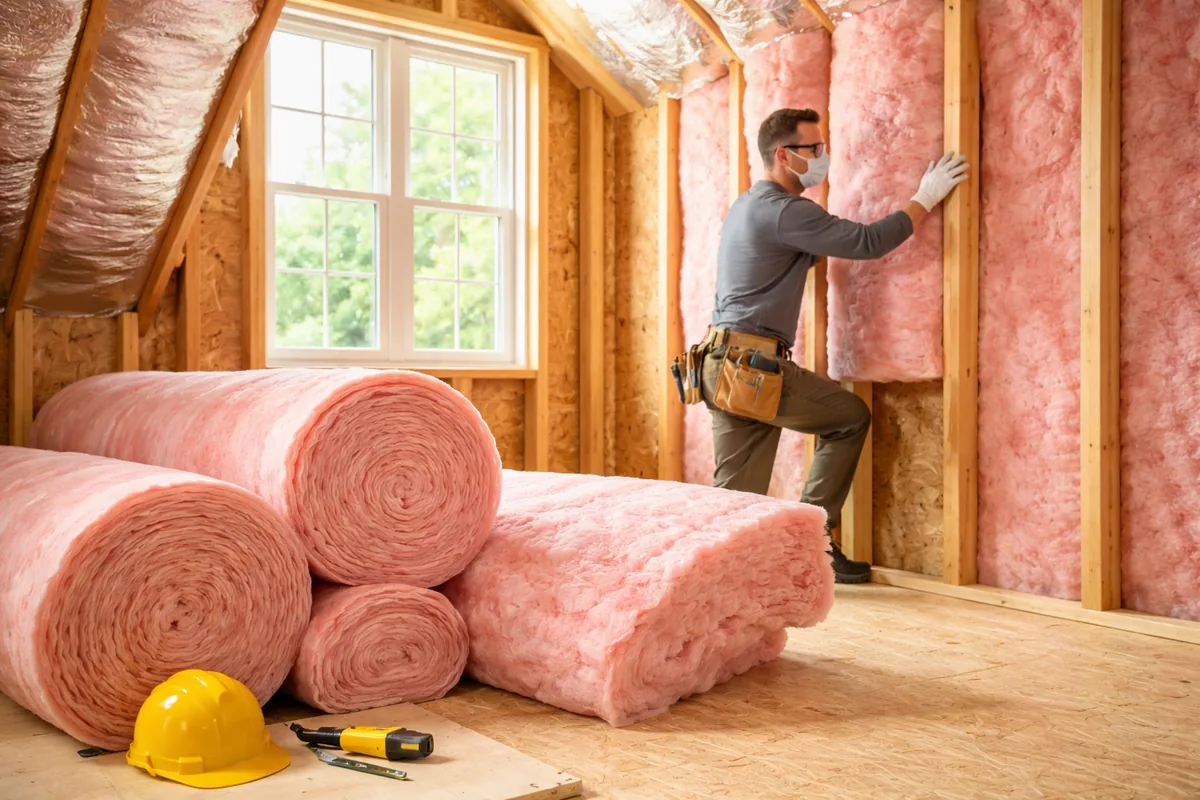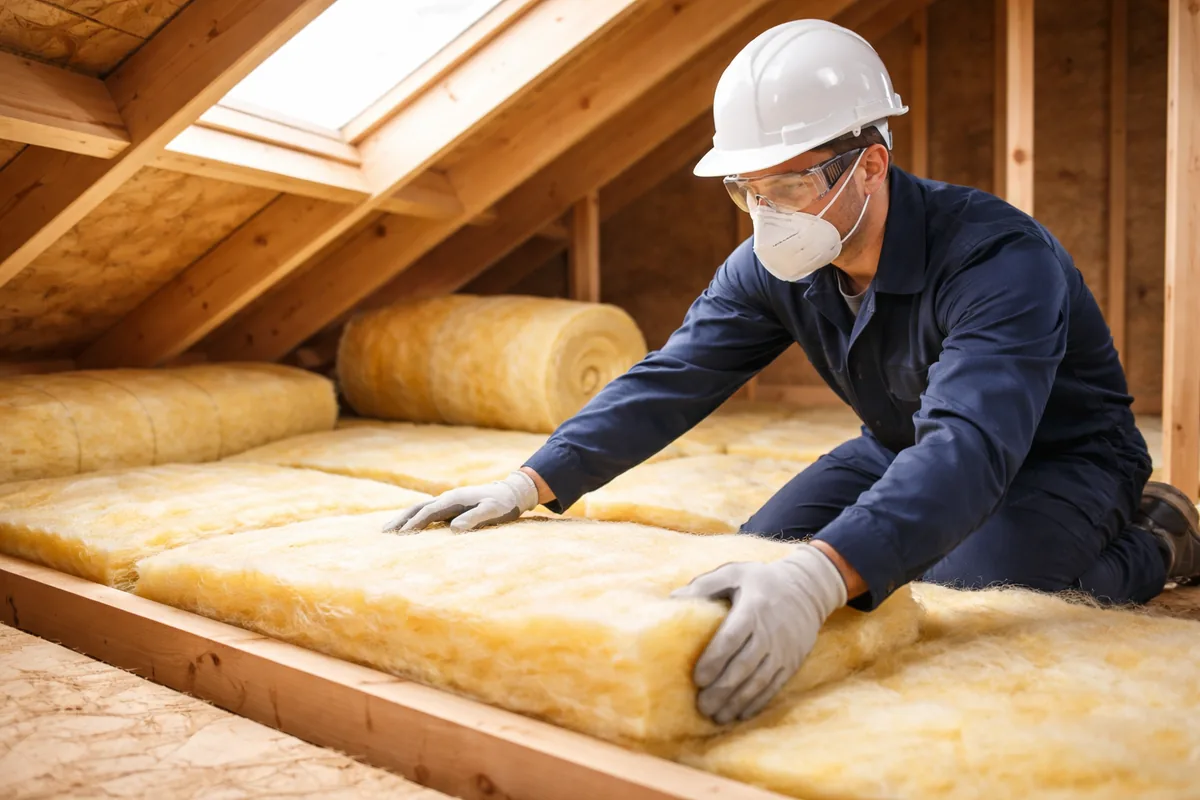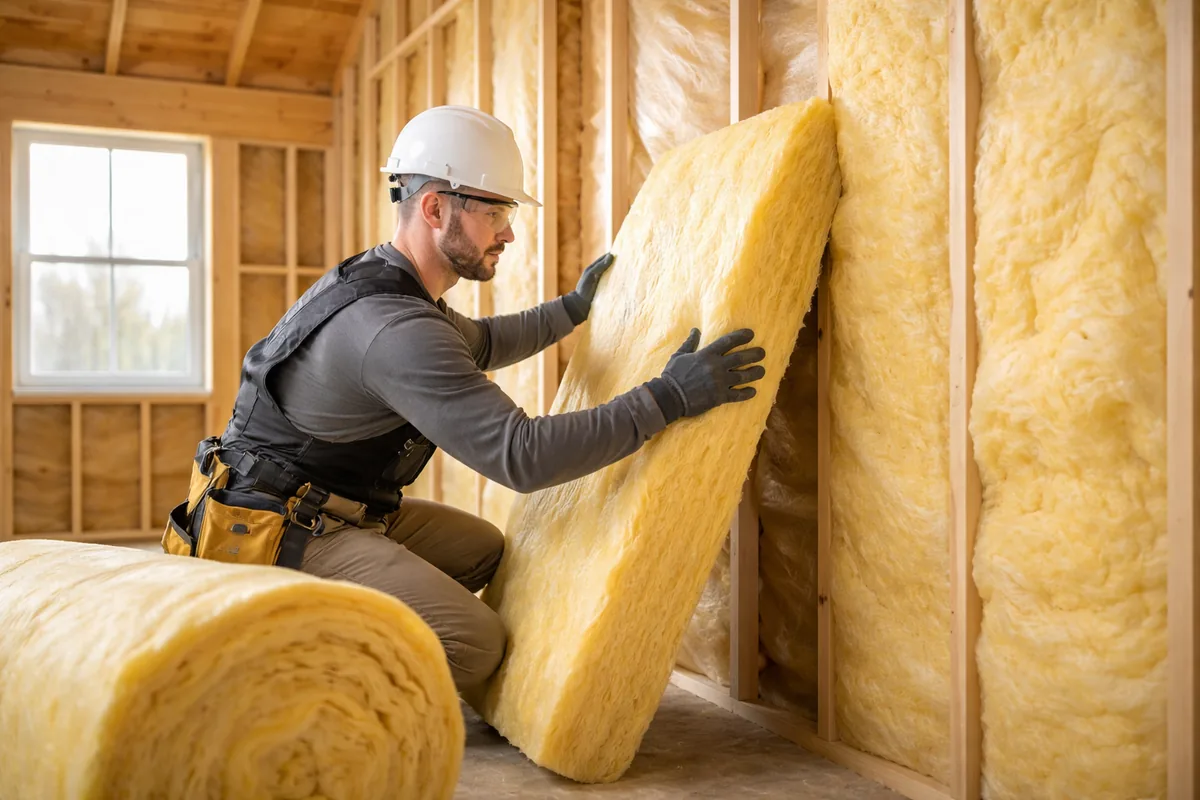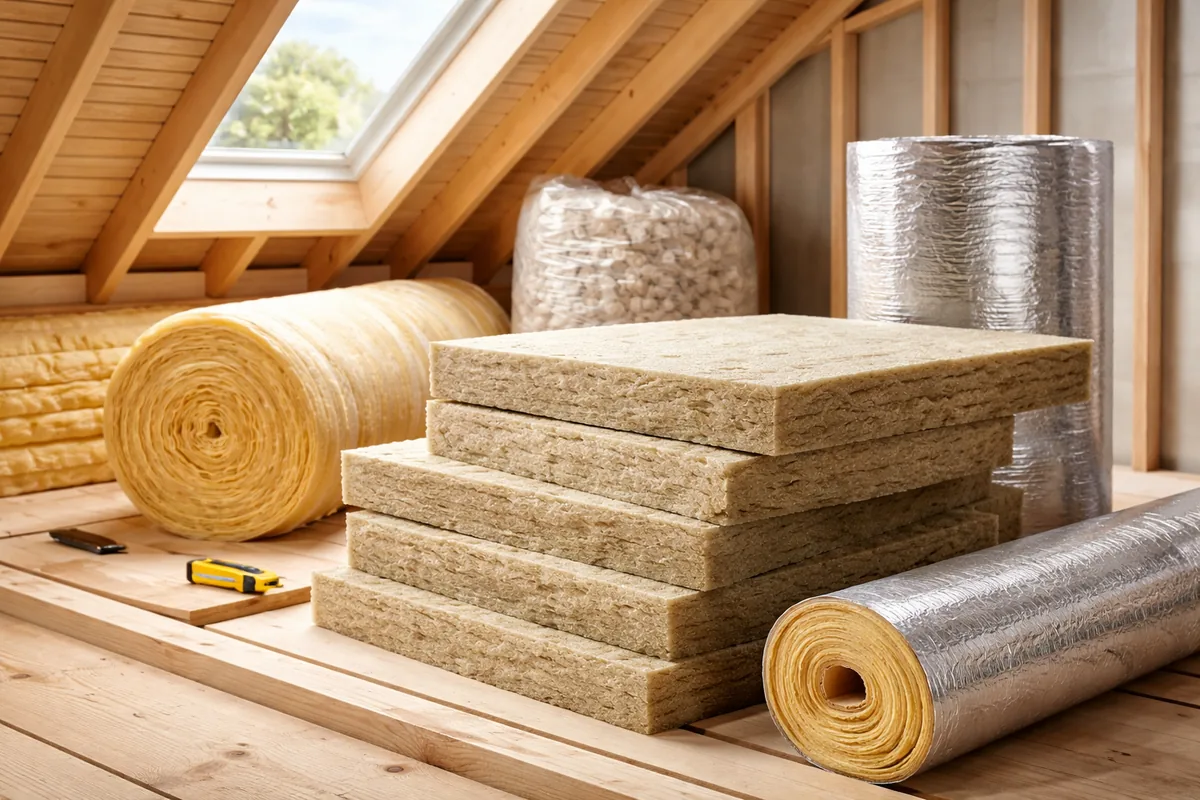
Finding energy-efficient insulation options for your home involves exploring various materials and sources that prioritize both thermal efficiency and eco-friendliness. Homeowners can consider insulation types like spray foam, cellulose, and fiberglass that provide superior insulation qualities while minimizing energy expenditure.
Local home improvement stores
One of the most accessible places to start your search for energy-efficient insulation options is local home improvement stores, such as Home Depot or Lowe's. These stores typically stock a variety of insulation materials, including fiberglass batts, rigid foam panels, and spray foam kits. Many of these products come with labels highlighting their R-values, which measure thermal resistance. In addition to standard materials, you can often find eco-friendly options like cellulose and cotton insulation. Store staff can offer guidance on the best product for your specific needs based on your home's construction and your climate.
Online retailers
Online shopping has become increasingly popular, allowing homeowners to conveniently compare insulation products from different manufacturers. Websites such as Amazon, FastenMaster, or specialty sites devoted solely to home construction and improvement often feature detailed product descriptions, reviews from other users, and sometimes even installation videos. Factors like price, material type, and effectiveness can be evaluated without any pressure. Additionally, some online retailers offer bulk discounts, which can save money when purchasing larger quantities of insulation for extensive projects.
Specialty insulation contractors
For tailored advice and access to high-quality materials, consider consulting with specialty insulation contractors. These professionals have extensive knowledge in selecting the right insulation products and can provide options that suit your home’s design and energy efficiency goals. Many contractors also have access to exclusive products not available to the general public that focus on sustainable building practices, such as natural fiber products or advanced spray foam blends. Choosing a contractor that specializes in energy-efficient insulation ensures informed recommendations and professional installation, which can enhance the performance of your insulation system.
Government and utility programs
A valuable resource for homeowners seeking energy-efficient insulation is local or state government initiatives, many of which aim to reduce energy consumption and emissions. Programs may offer incentives, rebates, or grants for upgrading insulation in existing homes. Utility companies often provide energy audits free of charge to assess your current insulation and recommend improvements. They might also partner with insulation contractors to offer reduced rates on high-efficiency insulation installations. Researching these opportunities can help optimize your insulation investment while contributing to long-term energy savings.
Trade shows and home expos
Attending trade shows and home expos can be an excellent way to discover energy-efficient insulation options. These events typically showcase cutting-edge materials and technologies in the insulation industry. Visiting booths, meeting manufacturers, and talking with industry experts provides invaluable insights into the latest products, installation techniques, and the energy-saving advantages of various insulation options. Many expos also offer workshops or presentations that educate homeowners about insulation choices, eco-friendly practices, and energy efficiency in home renovation.
Comparing insulation options
| Type of insulation | R-value per inch | Estimated cost per sq ft | Eco-friendly? |
|---|---|---|---|
| Fiberglass batts | 2.9-4.3 | $0.40-$1.50 | Depends on material |
| Cellulose | 3.1-3.8 | $0.70-$1.50 | Yes |
| Spray foam | 5.0-6.5 | $1.00-$3.00 | Depends on type |
| Mineral wool | 3.1-4.4 | $0.90-$1.30 | Yes |
When comparing insulation options, consider factors such as R-value, cost, eco-friendliness, and specific installation requirements. The right choice depends on your budget, climate conditions, and personal values around sustainability.
Finding local resources
A simple way to find local resources for energy-efficient insulation is to search online directories or social media platforms. Websites like Yelp, Angie's List, and Google Maps can help you locate insulation suppliers, contractors, and consultants in your area. Look for businesses with high customer ratings and reviews. Additionally, social media is an excellent place to network with local groups focused on sustainable living and home improvement. Engaging with these communities may lead you to recommendations not widely advertised, enabling you to make informed choices about your insulation project.
Monitoring efficiency and performance
After installing energy-efficient insulation, it’s vital to monitor its performance over time. Many utility companies now offer smart home technology that tracks your energy consumption. Remember to check for hot or cold spots in your home, which can indicate insulation issues. If energy bills unexpectedly increase, it may signal the need for further analysis or additional insulation. Annual inspections or consultations with professionals can ensure your insulation continues to perform optimally, keeping your home comfortable and energy-efficient.
FAQ
What types of insulation are considered energy-efficient?
Energy-efficient insulation types include fiberglass, cellulose, spray foam, and mineral wool. Each has unique properties that contribute to effective thermal performance.
How can I determine the right insulation for my home?
Consult a local contractor or insulation expert to evaluate your home's existing insulation, climate, and design. They can recommend the most suitable materials based on your needs.
Are there rebates available for insulation upgrades?
Many local and state governments, as well as utility companies, offer rebates and incentives for energy-efficient home improvements, including insulation upgrades.
Can I install insulation myself?
Many insulation types can be installed by homeowners with the right tools and safety precautions, but professional installation is recommended for spray foam due to its complexity and safety risks.
How long does insulation last?
Insulation can last several decades, but its effectiveness may diminish over time. Regular inspections are recommended to ensure it continues to perform optimally.