Yes, you can insulate your garage door yourself, which can significantly enhance your garage's energy efficiency and comfort. By choosing the right materials and following a proper installation process, you'll be able to reduce energy costs while maintaining a more consistent temperature.
Understanding the importance of garage door insulation
Insulating your garage door serves multiple purposes. It prevents heat loss during colder months and keeps the garage cooler in the summer. This not only creates a more comfortable environment but can also positively affect your adjacent living spaces by minimizing temperature swings. A well-insulated garage can help in reducing energy bills as it decreases reliance on heating and cooling systems throughout your home.
Common insulation materials for garage doors
When it comes to garage door insulation, several materials are suitable for DIY projects. Here are some of the most effective options:
- Foam board insulation: Rigid foam boards have a high insulation value per inch and are easy to install. They come in various thicknesses, allowing you to select the best fit for your garage door.
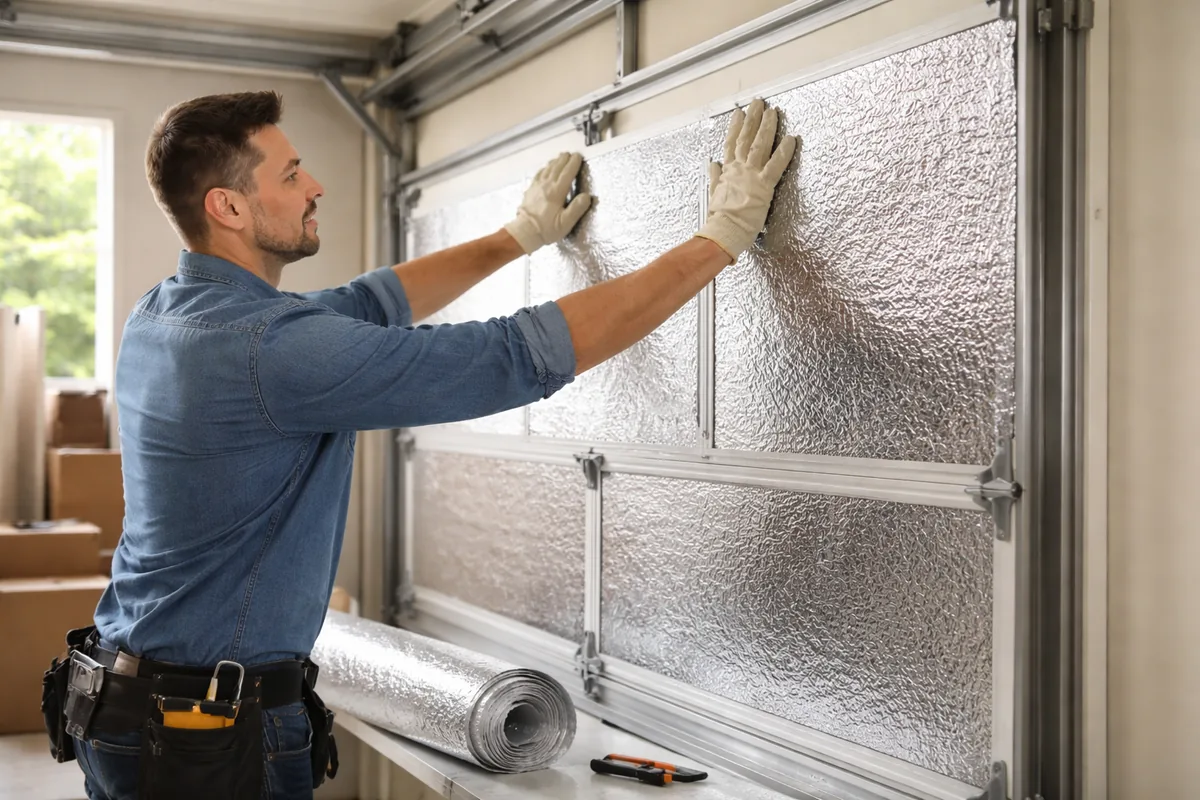
- Reflective foil insulation: This type works by reflecting radiant heat, making it ideal for temperature control in both hot and cold climates. It's lightweight and often comes in rolls that are simple to apply.
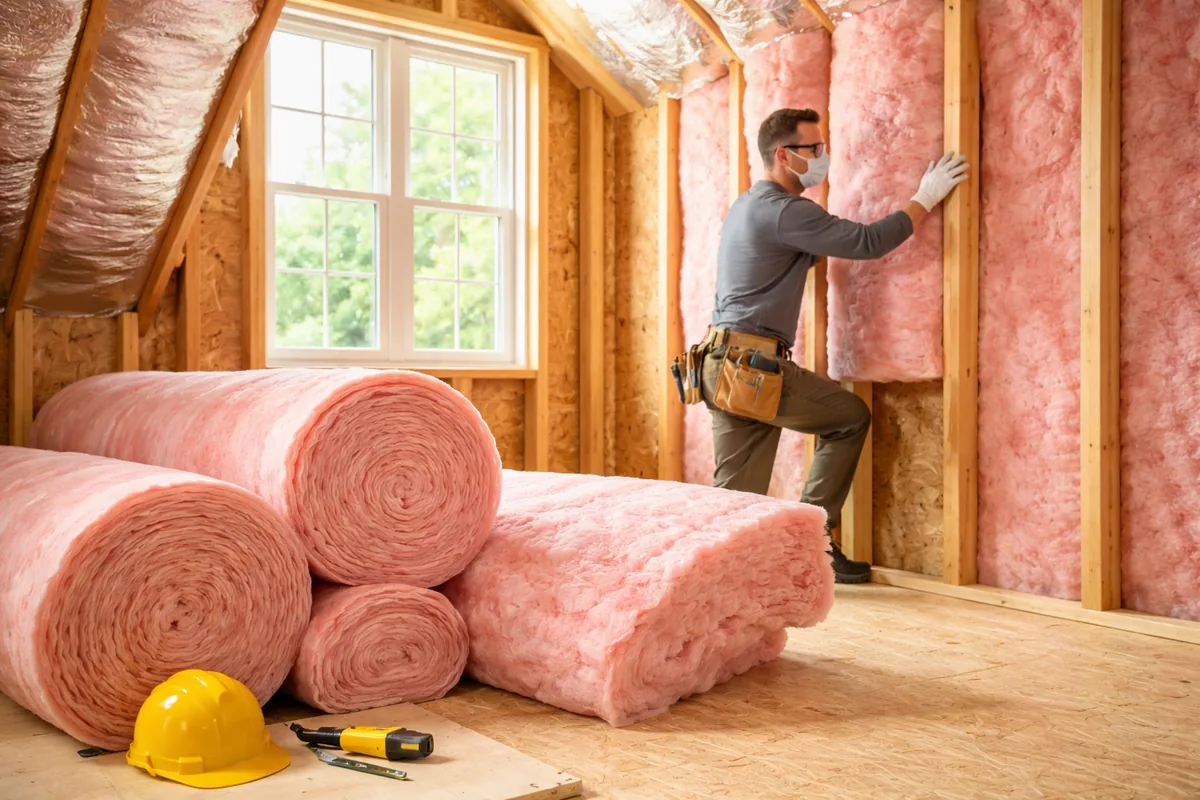
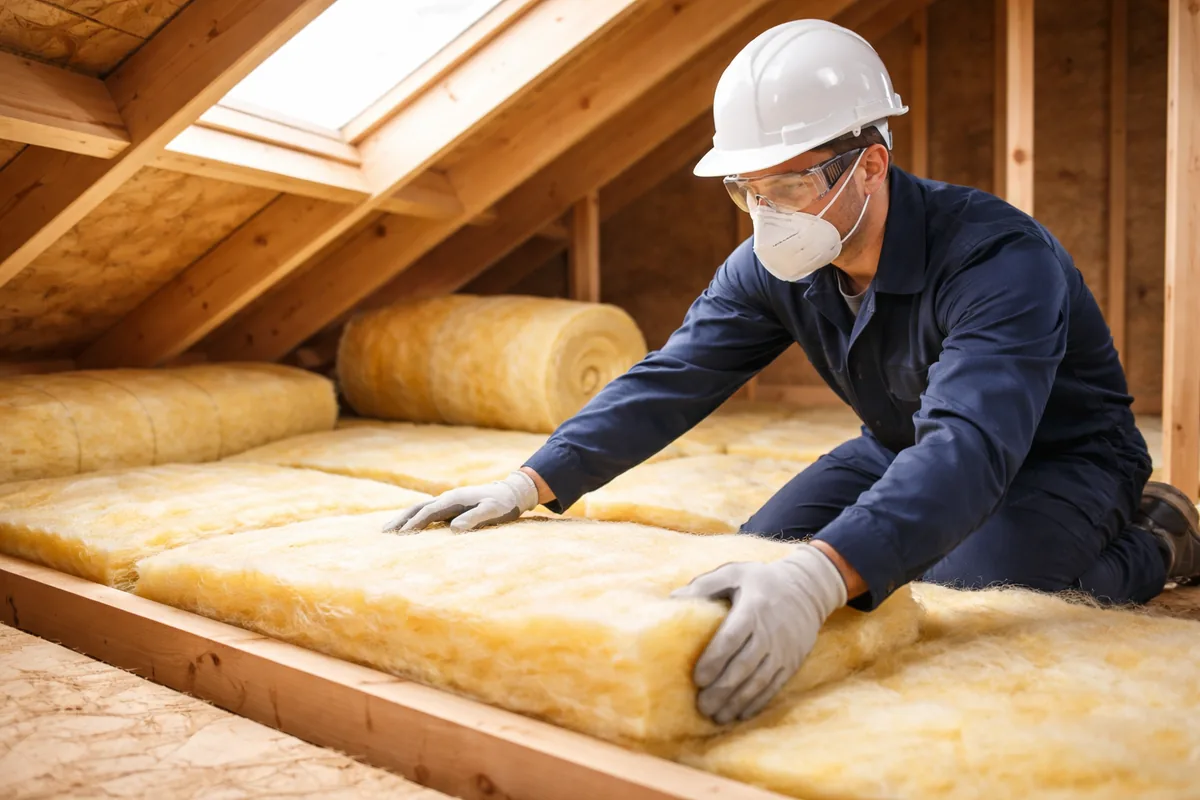
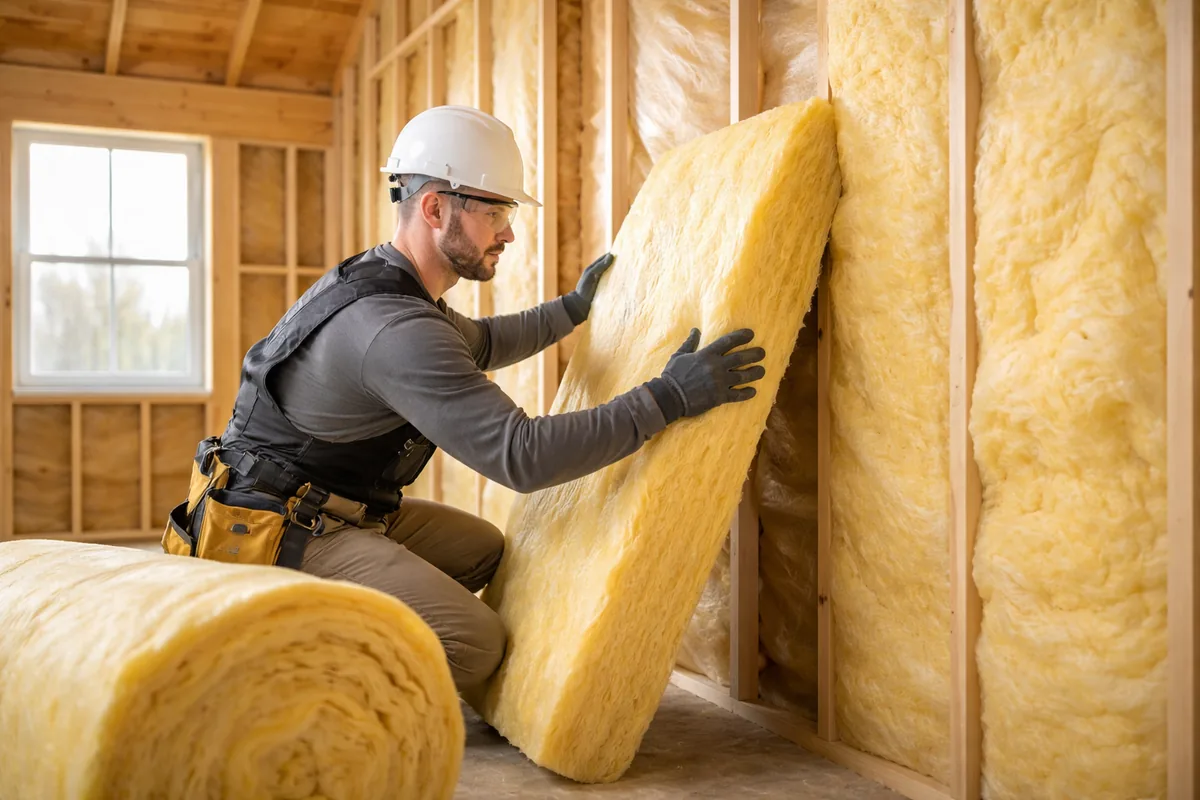
- Fiberglass batt insulation: Although less common for garage doors, fiberglass batts fit well within door panels. They require careful handling and proper sealing to prevent any exposure to glass fibers.
- Spray foam insulation: This is a highly effective insulator that expands to fill gaps and cracks. While it may be more complex to apply, it provides excellent thermal performance.
Step-by-step guide to insulating your garage door
Follow these steps to insulate your garage door effectively:
- Gather tools and materials: You'll need insulation material (like those mentioned above), a measuring tape, utility knife, adhesive (if necessary), and safety gear.
- Measure your door: Accurately measure the dimensions of your garage door panels. This will help you cut your insulation material to size.
- Cut the insulation: Use the utility knife to cut your chosen insulation material to fit each panel of the door, ensuring a tight fit.
- Install the insulation: Adhere the insulation to the door panels using adhesive or mechanical fasteners as needed. Be sure to follow manufacturer guidelines for the best results.
- Seal gaps: After installation, check for any gaps where air could leak. Use weatherstripping or caulk to seal these areas and enhance energy efficiency.
Tips for maximizing the effectiveness of your garage door insulation
For the best results, consider the following tips:
- Consider the R-value: The R-value measures insulation effectiveness. Look for materials with a higher R-value for better performance.
- Inspect for air leaks: Before insulating, ensure that the garage door itself is in good condition with no cracks or other damage that would allow unwanted airflow.
- Balance ventilation: Ensure that your garage is properly ventilated to avoid moisture buildup, which can lead to mold and structural damage.
- Enhance exterior insulation: In addition to insulating the door, consider insulating walls and ceilings in the garage for further improved energy savings.
Cost considerations for insulating your garage door
The costs involved in insulating your garage door can vary depending on the materials chosen and size of the door. Here's a comparison of potential costs:
| Material | Approximate Cost per Sq Ft |
|---|---|
| Foam board insulation | $1.00 - $2.00 |
| Reflective foil insulation | $0.50 - $1.50 |
| Fiberglass batt insulation | $0.80 - $1.20 |
| Spray foam insulation | $2.00 - $3.00 |
Keep in mind that while the upfront cost may vary, the long-term savings on energy bills can often cover the initial investment. Additionally, consider any potential increases in property value from enhanced energy efficiency.
Common mistakes to avoid when insulating your garage door
To ensure a successful insulation project, be wary of these common pitfalls:
- Improper measurement: Accurate measurements are crucial for a good fit. Take your time and double-check dimensions before cutting.
- Neglecting safety gear: Protect yourself with gloves, masks, and goggles, especially when handling materials like fiberglass.
- Forgetting the garage door's operability: Ensure that the insulation does not impede the door's movement or sealing mechanism.
FAQ
How much does it typically cost to insulate a garage door?
The cost of insulating a garage door can vary widely depending on the materials used, but you can expect to spend anywhere from $50 to $300 for a standard door, including materials and tools.
Can I use regular house insulation for my garage door?
While regular house insulation can be used, it may not be best suited for garage doors due to moisture and temperature fluctuations. It is advisable to use insulation designed specifically for garage applications.
Will insulating my garage door help with noise reduction?
Yes, adding insulation can help decrease noise levels from outside, creating a quieter space within your garage and adjacent areas of your home.
How often should I check the insulation on my garage door?
Inspect your garage door insulation at least once a year to ensure there are no damages or gaps. Regular checks can help maintain energy efficiency over time.
Can I insulate a garage door without removing it?
Yes, you can insulate your garage door without removing it. Most insulation methods can be applied while the door is in place, making the process more convenient.