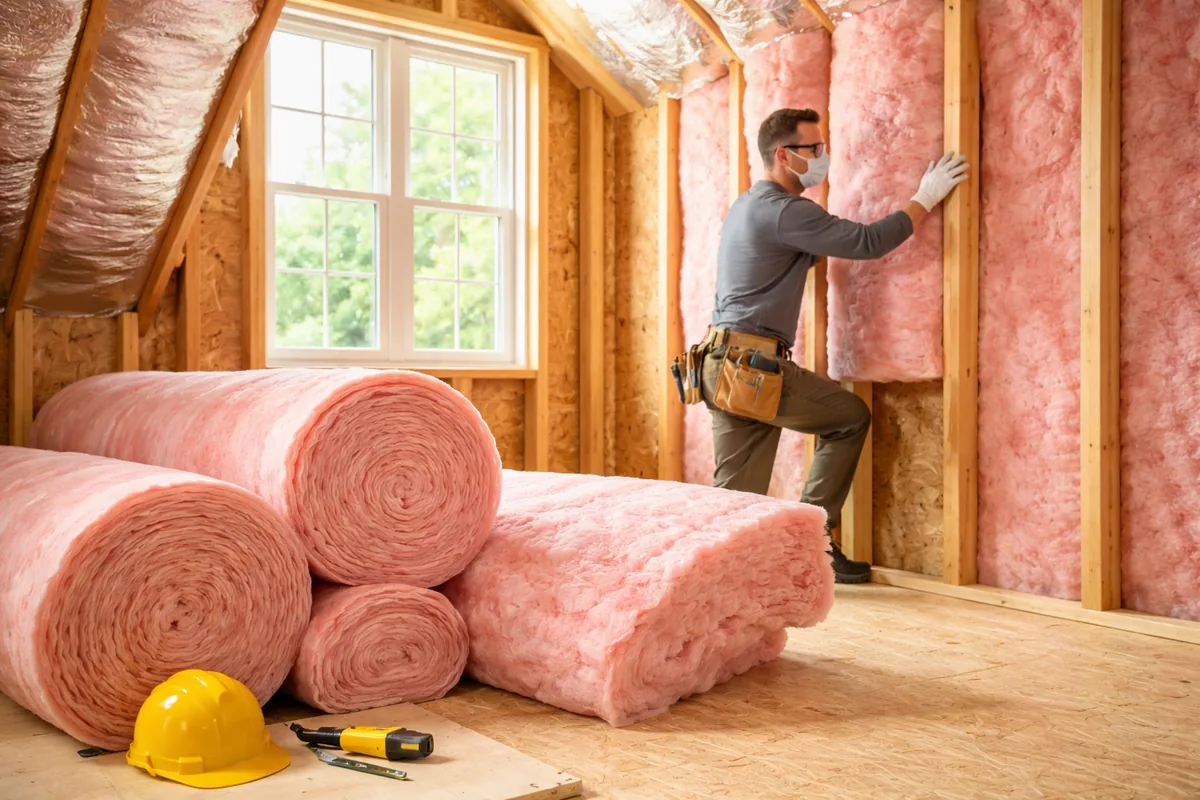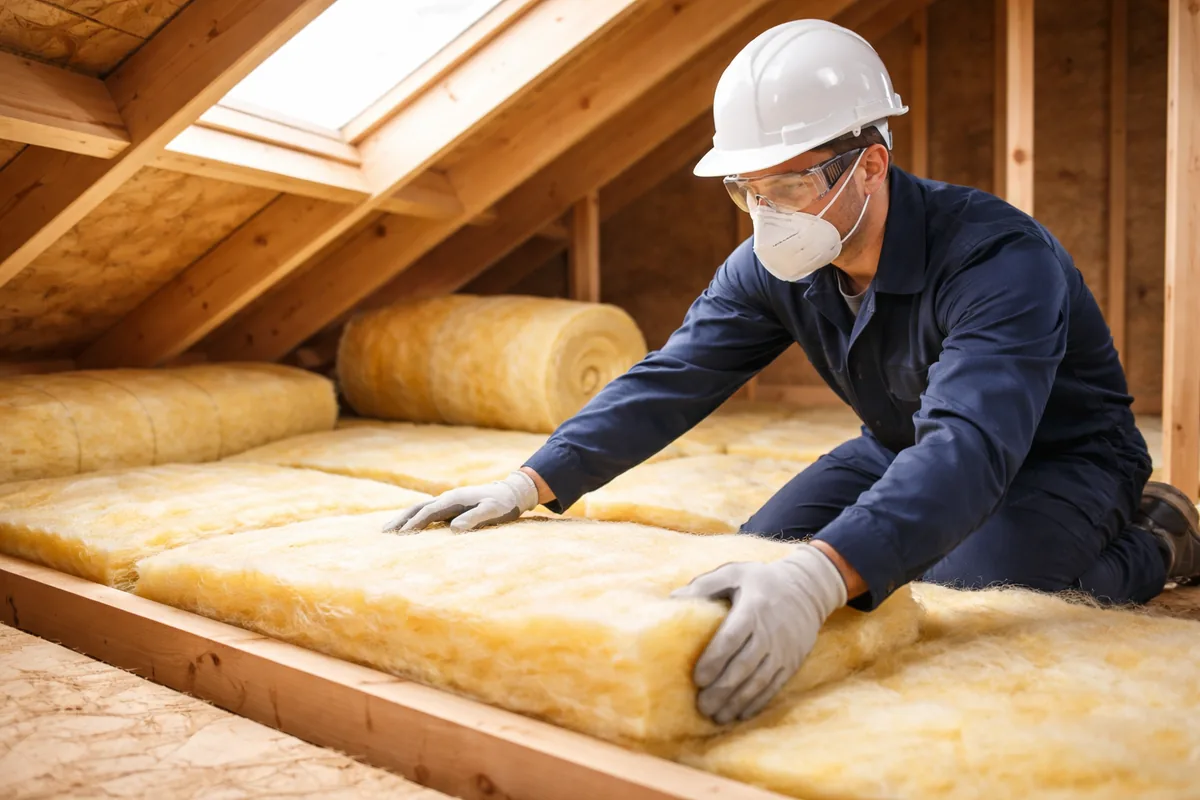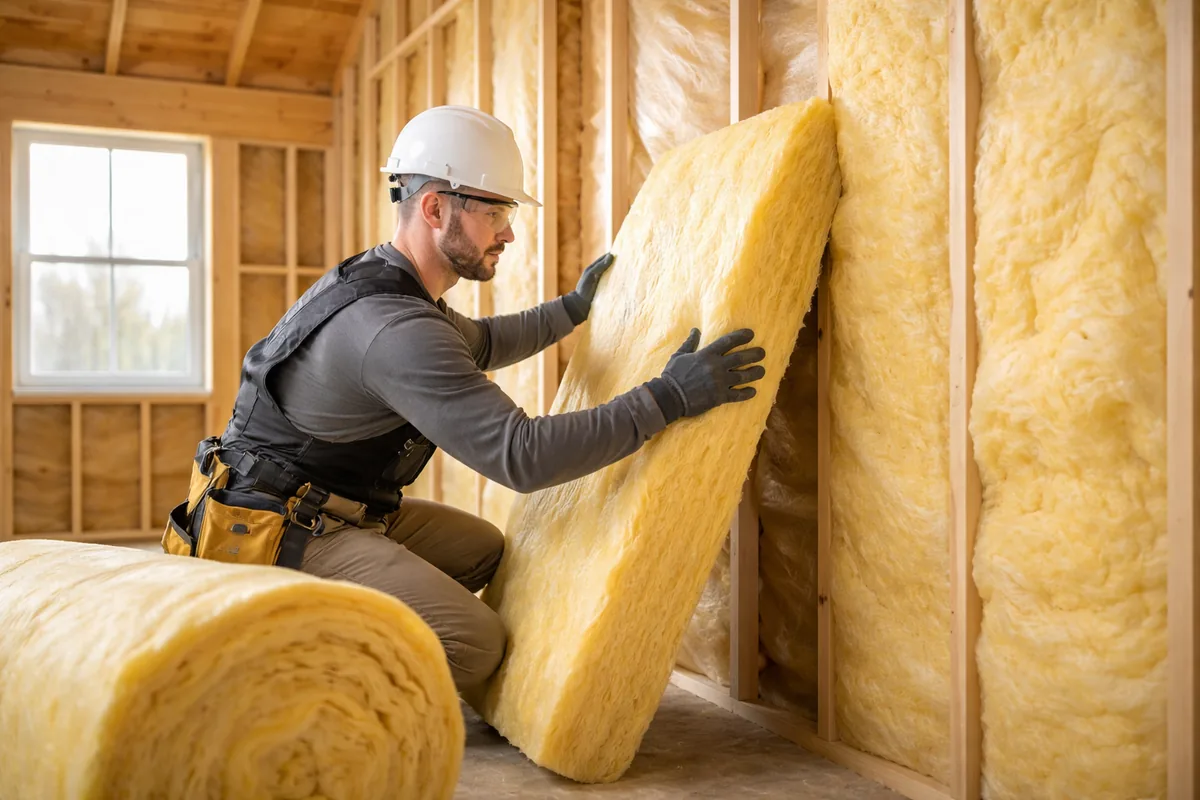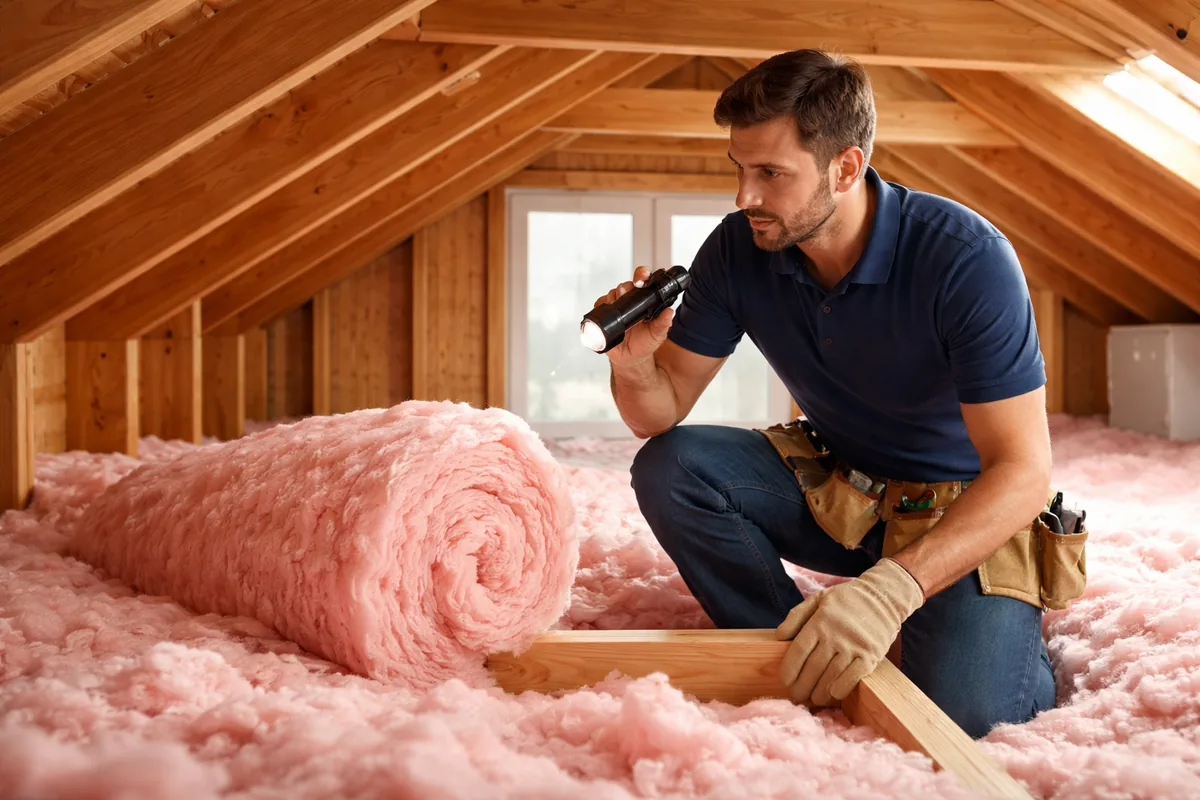
To determine if your home requires insulation, check for significant energy loss, drafts, temperature inconsistencies, and age of existing insulation. Proper insulation is crucial for maintaining comfort and reducing energy bills.
Signs that your home may need insulation
Several indicators can help you decide whether your home requires additional insulation. Look for drafts, particularly around windows, doors, and electrical outlets. If you feel cold air seeping in during winter months, it often signifies insufficient insulation. Similarly, you may notice rooms that are consistently colder in the winter or warmer in the summer. These temperature discrepancies can lead to discomfort and increased reliance on heating and cooling systems.
Other telltale signs include high energy bills that seem disproportionate to your usage. If you find that you are constantly adjusting the thermostat without noticeable changes in temperature, it may be time to inspect your insulation. Check the attic and crawl spaces; older insulation may be compressed or damaged, losing its effectiveness. Finally, if your home was built more than a few decades ago and has never had its insulation updated, it’s wise to consider a thorough assessment.
How to check for insulation effectiveness
To assess the effectiveness of your insulation, start by examining the attic. Remove any coverings and check the depth of the insulation material. Generally, fiberglass insulation should be at least 12 inches thick, while cellulose insulation should be around 15 inches. If you observe less than this, it indicates that your home is likely under-insulated. Remember that insulation degrades over time and may lose its functionality due to moisture, pests, or settling.
Use an infrared thermometer to detect thermal leaks in walls and ceilings. A normal surface temperature should remain consistent across the home. If you find varying temperature readings, it signifies poor insulation and potential energy loss. Additionally, consider scheduling a professional energy audit. These trained specialists can identify air leaks and insulation deficiencies using specialized equipment, helping you implement an effective solution.
Benefits of proper insulation
Investing in proper insulation directly correlates with increased home comfort and energy efficiency. Well-insulated homes maintain consistent temperatures, reducing the need for heating in winter and cooling in summer. As a result, you can expect to see a significant decrease in energy bills. Effective insulation minimizes drafts, resulting in improved indoor air quality and comfort, which is not only beneficial for residents but also adds value to the property.
Furthermore, insulation can also help with noise reduction. For homes located near busy streets or communities, additional insulation can keep unwanted sound to a minimum, enhancing the tranquility within. Environmental impact must also be noted; a well-insulated home contributes to resource conservation by lowering energy consumption, thus reducing carbon footprints. Taking these benefits into account makes it clear that insulation is a positive investment.
Cost considerations for adding insulation
The costs associated with insulating your home can vary significantly based on factors such as the type of insulation you choose, the areas you need to insulate, and your home’s size. Generally, adding insulation ranges from $1 to $3 per square foot, depending on the materials used. For instance, spray foam insulation tends to be on the higher end of the spectrum, while fiberglass batts are more budget-friendly.
It’s important to consider both the upfront costs and the long-term savings achieved through reduced energy bills. While it may require an initial investment, the money saved over time can often justify the expense. Additionally, look for potential rebates or incentives offered by energy companies or government programs aimed at improving home energy efficiency.
Table comparing insulation types
| Type of insulation | R-value per inch | Cost per square foot | Advantages |
|---|---|---|---|
| Fiberglass batts | 2.9-4.3 | $0.50-$1.50 | Cost-effective, easy to install |
| Cellulose | 3.1-3.7 | $0.60-$2.00 | Eco-friendly, good air barrier |
| Spray foam | 6.0-7.0 | $2.00-$4.00 | High insulation value, stops air leaks |
| Mineral wool | 3.1-4.2 | $1.00-$3.50 | Fire resistant, noise reduction |
When to hire a professional
While some homeowners may choose to insulate their homes themselves, hiring a professional can save time and ensure that the job is done correctly. If you are unsure how to evaluate your insulation needs or jargon and technical specifications seem daunting, a contractor can provide clarity. Professionals can assess your home thoroughly, ensuring that all areas are covered and effectively insulated. Additionally, specialized contractors are familiar with local building codes, ensuring compliance with regulations.
When hiring a professional, always check references and read reviews to select a reputable contractor. Getting multiple quotes can provide insights into fair pricing and the range of services available. The investment in professional services can lead to long-term benefits through enhanced efficiency and effectiveness compared to DIY efforts.
FAQ
How often should I check my home's insulation?
It's advisable to check your home's insulation every few years, especially if you notice changes in energy costs or temperature consistency.
Can I insulate my home myself?
Yes, many homeowners can insulate their homes if they feel comfortable with DIY projects; however, hiring a professional ensures proper installation and compliance with local codes.
What is the best insulation for energy efficiency?
Spray foam insulation generally provides the highest R-value and is considered the best for energy efficiency. However, fiberglass and cellulose are popular options that also provide good efficiency at a lower cost.
Will insulating my home reduce noise?
Yes, proper insulation can significantly reduce noise transmission between rooms and from outside sources, enhancing comfort in your home.
How do I find out if my insulation is damp?
Look for signs of mold or a musty smell in your attic or crawl spaces. If you suspect dampness, it's advisable to have a professional inspection.